
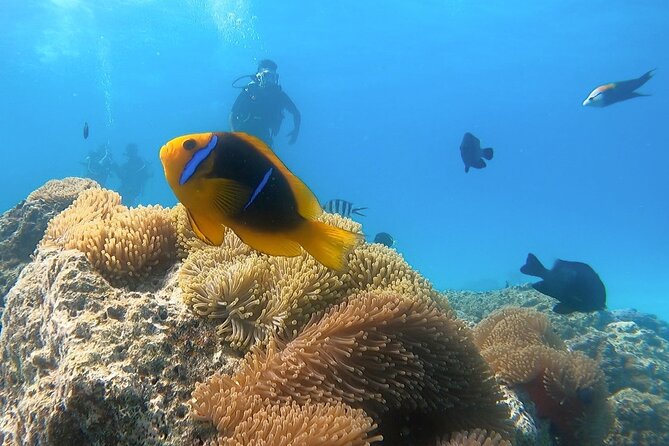
REVIEW · BORA BORA
2 Dives in the morning for certified divers in Bora Bora
Manta rays feel closer than you expect. I like the small group size and the fact that everything is handled for you, from hotel pickup to scuba gear. The one real catch is this trip is only for certified participants who are within the allowed depth and recent practice window.
You’re booked for two separate morning underwater sites, usually one inside the lagoon and one outside the reef. Each session runs about 45 to 60 minutes, often around 15 to 20 meters, and you get breaks with hot tea and cookies between. In the water, the team style is consistent in the praise too, with guides such as Pascal, Niki, Flo, Arthur, JP, and Nicholas noted for calm coaching and respect for marine life, including no baiting and no chasing.
I also like the way they work with conditions. They check what the day will look like and choose the best options, and that means your exact second site could be different day to day. If you’re prone to getting cold or you’re unsure about your current buoyancy control, tell the team early, because the guides gear the plan to your level.
In This Review
- Key things to know before you go
- Two morning scuba sessions in Bora Bora, planned for variety
- Getting to the boat, with pickup that actually reduces stress
- The small-group setup, and why it changes how the outing feels
- Before you enter the water: level checks and a real safety brief
- First underwater site, often the lagoon: warm, clear, and manta-friendly
- Second underwater site, often outer reef: sharks, coral, and possible current
- Boat comfort and the gear details that change your morning
- What you’ll actually do between sessions, and why it helps
- Price and value, is it worth $235.69 per person?
- Who should book this and who should look at alternatives
- Should you book this two-session morning scuba outing?
- FAQ
- Are these morning scuba sessions limited to certified scuba participants?
- What is the group size?
- How long is the outing and how many underwater sessions are included?
- What gear is provided?
- Is Nitrox available?
- Where does pickup happen and when does it run?
Key things to know before you go
- Small-group limit of 5 certified participants helps you get more personal attention and calmer water time.
- Two morning underwater sites are usually planned as lagoon first, then outer reef, so you see different scenery and sea life.
- Guides match the plan to your experience level, with a stated allowance to 18 meters (60 feet).
- Between-session refresh includes fresh water, hot tea, and cookies, so you’re not running on empty.
- Nitrox is free if you’re certified, which can be a big comfort upgrade on long-horizon plans.
- You travel on a purpose-built aluminum boat with roof, ladders, and protection for a smoother transfer.
Still circling Bora Bora? Here is what else we have been out on there
Two morning scuba sessions in Bora Bora, planned for variety
This is a half-day style outing that gives you two different underwater settings rather than repeating the same water twice. That matters in Bora Bora, because the lagoon can feel like a clear, sheltered aquarium while the outside reef can bring different currents, different coral structure, and different species behavior.
Your schedule is built around staying sharp. You do the first session, surface, eat and drink something warm, and then head out again while the morning visibility and conditions are at their best. In practice, that rhythm usually feels better than doing one long outing and calling it a day.
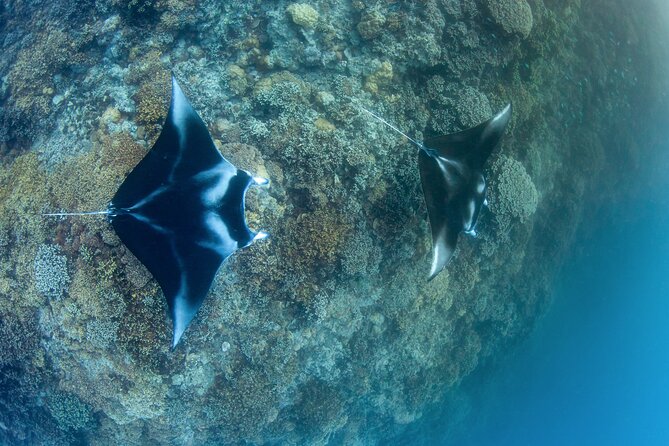
What I’d focus on as a scuba-minded person is the range of what you might see. The typical highlight pattern here is manta rays and sharks, plus plenty of tropical reef life and corals. Some days are better than others for mantas, but the planning goal stays the same: match your level, check conditions, and pick the best sites available for that morning.
Getting to the boat, with pickup that actually reduces stress
Pickup and transfers are part of the package, which is a big deal on Bora Bora. If you’re staying on the motu or farther out, even one extra transfer step can eat into your morning energy. With pickup included, you start the day focused on the water, not on taxis, timing, and where the boat actually is.
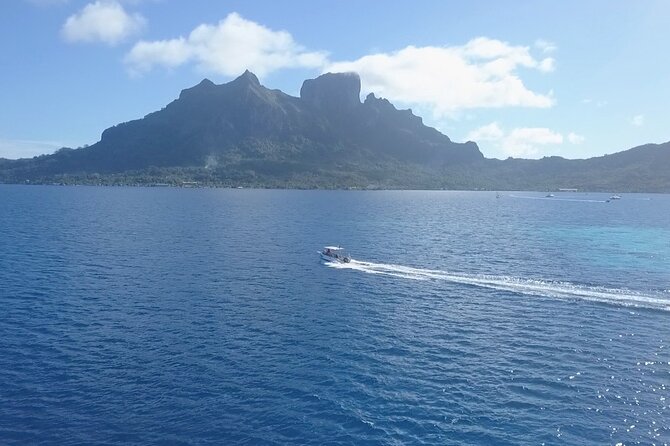
The operator can pick you up either by car or by boat depending on where you stay. They also may pick up more participants along the route before reaching the dive locations, and they aim for a fast ride to the underwater sites. That fast transfer is not just convenience, it’s also about timing the best conditions while you’re in the water.
You’ll meet at the Bora Bora scuba center area, and the activity ends back there after the morning schedule. Opening hours run from 7:30 AM to 12:00 PM, which means the plan fits neatly into a daytime itinerary without turning your whole day into a logistics puzzle.
The small-group setup, and why it changes how the outing feels
This trip caps at 5 certified participants. That size is one of the biggest quality signals in the whole offer. With fewer people, the guide can spend more time checking buoyancy comfort, adjusting positioning, and helping you find that balance between sightseeing and safety.
In feedback, the “responsible and calm” coaching theme comes up a lot. People often describe getting reassurance before they enter the water, and help with gear readiness. One specific example that shows how the team thinks ahead: if something isn’t optimal for dive #2, they can adjust your setup so you don’t lose time or feel awkward during the swap. That kind of prep matters more than most people realize.
For you, the practical takeaway is simple. If you feel nervous at the start, say so. Guides here are used to calming first-time open water moments even within a certified format, and they tend to pace the group in a way that helps comfort build over the two sessions.
- Reef Discovery Half Day Group Signature Tour★ 5.0 · 968 reviews
- Bora Bora Atv-Quad Tours★ 5.0 · 471 reviews
- Bora Bora: Full day Lagoon Safari & Lunch on a Motu – ST★ 4.9 · 443 reviews
- Bora Bora: Half Day Island 4WD Guided Tour★ 4.5 · 440 reviews
- Bora Bora Half Day 4X4 Island Safari Tours★ 5.0 · 431 reviews
Before you enter the water: level checks and a real safety brief
You’re required to be a certified scuba participant, and you’re stated as allowed up to 18 meters (60 feet). You also need to have completed your most recent scuba outing within the last year. There’s a form to fill out before you go in, and the operator requests that diving within 12 hours of a local flight is not recommended, which is a smart rule for fatigue and pressure comfort.
Between those requirements, here’s what to expect in reality. You’ll get a level-matched plan, not a one-size-fits-all route. The guide checks conditions and also considers each participant’s readiness. The goal is to keep the group together, keep you within your ability, and still give you a good shot at the standout sightings.
In Bora Bora, it’s also worth understanding how marine life encounters work. In the feedback pattern, there’s a clear respect for animals: no baiting, no chasing mantas, and a focus on letting the underwater world come to you. That approach usually leads to calmer behavior on your part too, because you’re not stressed by someone running you into a situation. It also tends to make photos and video cleaner, since you’re not whipping around trying to “catch” an animal.
First underwater site, often the lagoon: warm, clear, and manta-friendly
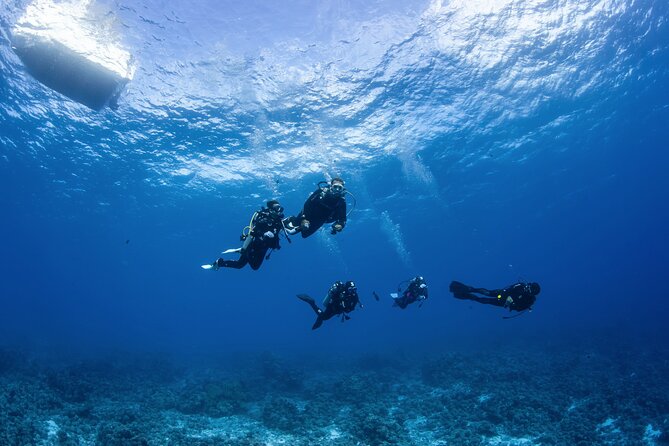
Most schedules lean toward the lagoon for the first session. The lagoon is usually where you’ll get that classic Bora Bora feeling, with clear visibility and sheltered water that helps you settle into your gear and rhythm.
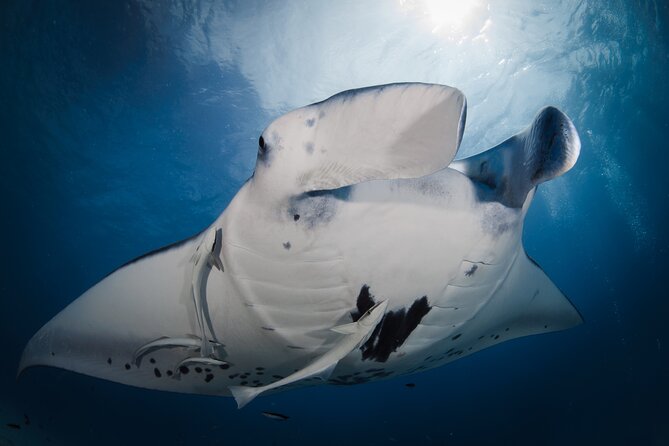
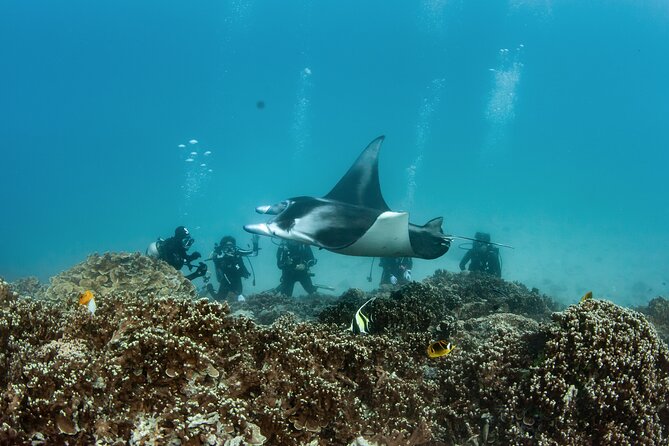
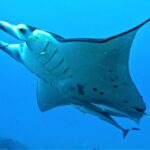
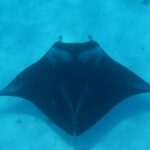
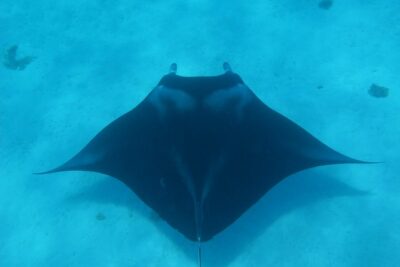
This is commonly where manta rays show up, sometimes repeatedly. Multiple accounts describe mantas passing close overhead, with a slow, graceful movement pattern as they’re cleaned by smaller fish. That is exactly what you hope to experience: not a quick glimpse from far away, but an encounter that feels like you’re part of the underwater scene rather than chasing it.
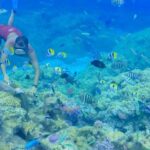
You also typically get plenty of reef life in the lagoon setting: reef fish, coral, and often black-tip reef sharks described as part of the mix. Even if you don’t see mantas that day, the lagoon still tends to deliver variety in fish and coral structure, because the environment supports that constant motion of small species.
One practical note for comfort. Lagoon water can still change in temperature and feel cold once you pause between kicks, especially if you run chilly in general. If you’re the type who gets cold easily, bring that up. Guides can help you manage breathing and buoyancy so you stay stable and comfortable for the full 45 to 60 minutes.
Second underwater site, often outer reef: sharks, coral, and possible current
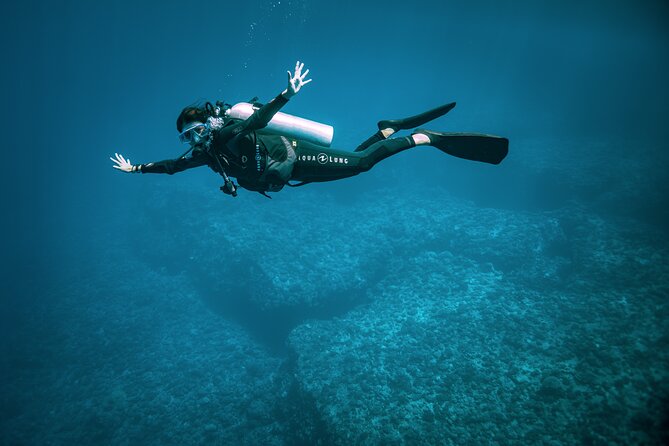
The second session is usually outside the reef. That shift changes the underwater experience in two ways: the structure and the water movement. People describe this session as more “open” and sometimes more challenging if there’s drift or current. One account mentions a drift due to heavier current and still seeing cool sea life, which is a good sign that the guides plan to keep the group safe and moving correctly.
For species, the outside reef pattern commonly includes sharks and a strong coral-and-fish component. Many reports also mention black-tip reef sharks, eagle rays, eels, octopus, and lionfish as part of the broader highlight list. If you’re chasing that sense of scale in Bora Bora underwater life, the outer reef tends to deliver because it opens up the view beyond the lagoon’s sheltered corridors.
The benefit to you of doing the first site in the lagoon is that it acts like a warm-up. By the time you reach the outside reef, you’ve already settled your breathing, your buoyancy, and your comfort level. That makes it easier to handle any drift you meet on the second site.
Boat comfort and the gear details that change your morning
The operator uses a special aluminum boat designed for scuba outings. It has a roof, ladders, and protection, which usually helps a lot on a lagoon morning where wind can pick up. A stable boat ride can be the difference between arriving calm and arriving already tired.
Your scuba equipment is provided. From what’s described, rental gear tends to be ready to go and set up properly before you gear up, including wetsuits that fit. That last part is quietly important. If your wetsuit fits poorly, you can spend the whole morning fighting your exposure and discomfort, which can then make buoyancy harder.
Another practical detail: Nitrox is available for free if you’re certified. Nitrox can reduce nitrogen loading compared with air, and even if you’re not chasing technical dives, it can help you manage comfort when you plan two sessions in the same morning. If Nitrox is part of your routine at home, this is a straightforward advantage.
What you’ll actually do between sessions, and why it helps
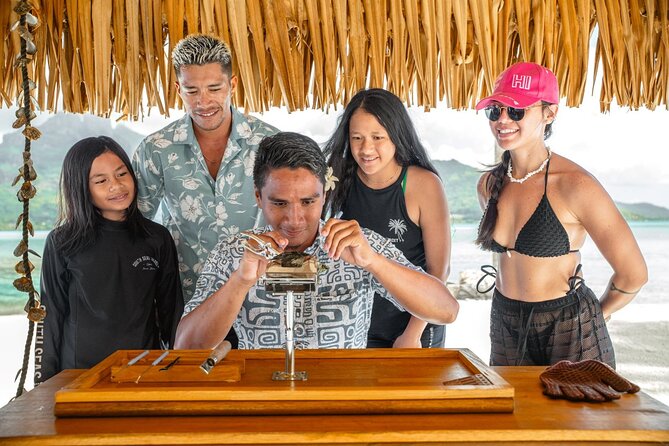
Between the two sessions, you’re not just sitting around. Fresh water, hot tea, and cookies are provided, and that’s a genuine comfort boost. After your first underwater hour, you can get a dry mouth feeling and a chill in the minutes right after surfacing, especially if wind touches the boat.
This break also gives the team time to manage your tank swap and gear check. One piece of praise that stands out is how the team can switch your setup to the second tank if needed, so you’re not dealing with last-minute scramble. That translates to a smoother second session and less stress during the changeover.
If you’re the kind of person who wants to keep your head in the game, use this time. Eat something small, drink water, and do a quick breath check. Then when you go back under, you’re not only chasing animals, you’re also making your body comfortable enough to enjoy the encounter.
Price and value, is it worth $235.69 per person?
At $235.69 per person, this is not a budget outing. But it isn’t overpriced either, once you break down what’s included. You get two morning underwater sessions, scuba equipment, hotel pickup and transfers, plus a guided, small-group experience limited to 5 certified participants.
Value here comes from avoiding extra costs and extra friction. Pickup and transfers remove the biggest hassle on Bora Bora. Gear included means you do not need to pack or rent locally. The small group means your guide attention is shared with fewer people, which can directly affect safety, comfort, and how well you see animals.
There’s also a quality signal in the way the operator seems to manage animal behavior. Being respectful, not baiting, and not chasing mantas is part of what keeps encounters natural. That style tends to improve both your experience and the chance of getting repeat sightings, since animals are not “trained” into a predictable rush.
If you’re a certified scuba participant who wants manta rays and sharks without spending your day bouncing around on logistics, this package makes sense. If you’re not sure about your comfort in moving water or you missed your recent scuba window, the requirements might make this a less comfortable choice.
Who should book this and who should look at alternatives
This is best for certified scuba participants who:
- Can comfortably operate up to 18 meters (60 feet)
- Have completed their most recent scuba outing within the last year
- Want a guided plan with small-group attention
- Prefer two shorter morning sessions instead of one longer one
It may feel like the wrong fit if:
- You’re not within the allowed recent practice rule
- You get very cold in water and you don’t usually manage exposure well
- You’re traveling right after a flight and you’re already tired, since the operator does not recommend diving within 12 hours of a local flight
- You’re looking for a casual, snorkel-style experience. This one is focused on scuba participants with gear and underwater time
One more “fit” note from the feedback pattern: people often mention feeling reassured at the start and then getting more relaxed as the morning goes. So if you’re anxious, you’re not stuck with anxiety all morning, as long as you communicate and follow the guide.
Should you book this two-session morning scuba outing?
Yes, if manta rays and sharks are on your Bora Bora checklist and you want the experience to be organized, calm, and respectful. The small group limit, guided level matching, and included pickup and gear make this a solid value for the half-day time block.
Book it sooner rather than later, since confirmation depends on availability. And when you check in, be honest about comfort, temperature sensitivity, and how recently you’ve been underwater. That one conversation helps the guide choose the best site for that day, and it usually leads to a smoother second session.
If you want to maximize your odds while keeping things safe and comfortable, this is one of the cleaner ways to do it in Bora Bora: two morning sessions, different environments, and a team that aims to let the animals show up on their own terms.
FAQ
Are these morning scuba sessions limited to certified scuba participants?
Yes. This activity is for certified scuba participants and you must be allowed to go up to 18 meters (60 feet). You also need to have completed your most recent scuba outing within the last year.
What is the group size?
The trip has a maximum of 5 travelers, in a small group format with personalized attention from your guide.
How long is the outing and how many underwater sessions are included?
The full experience runs about 4 hours. You’ll do two morning underwater sessions, each about 45 to 60 minutes (often around 15 to 20 meters).
What gear is provided?
Scuba equipment is included. You’ll also have a wetsuit available as part of the gear provided.
Is Nitrox available?
Yes. If you are Nitrox certified, you can ask for Nitrox and it is free.
Where does pickup happen and when does it run?
Pickup and transfers are included. The tour starts at the Bora Bora scuba center area and finishes back at the same meeting point. It runs daily from 7:30 AM to 12:00 PM.
The Rest of Our Island Reviews

Bora Bora, A Few More Ways
Other French Polynesia trips in our review pile
- Private Experience of Tahitian Wine and Rum Tasting
★ 4.5 · 3 reviews - Private sunset cruise in Bora Bora
★ 5.0 · 3 reviews - Private Reef Discovery Luxury Dream Day Tour in Bora Bora
★ 5.0 · 3 reviews - Private Bora Bora Lagoon Experience
★ 5.0 · 3 reviews - Half a day to discover Bora Bora with O-sea
★ 5.0 · 3 reviews - Guided Tour of Bora Bora by Quad
★ 4.0 · 3 reviews
Bora Bora Tours, compared.
 ★ 5.0Full Day Lagoon Group Tour in Bora Bora with LunchFrom $1841,423 reviews
 ★ 5.0Half day Snorkeling Shared Boat Tour in Bora BoraFrom $130688 reviews
 ★ 5.0Full-Day Bora Bora Lagoon Cruise Including Snorkeling with Sharks and StingraysFrom $158630 reviews
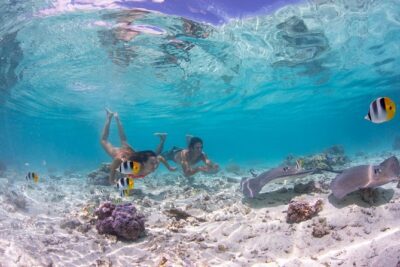 ★ 5.0Bora Bora Eco Snorkel Cruise Including Snorkeling with Sharks and StingraysFrom $118501 reviews
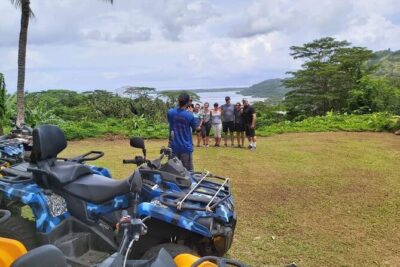 ★ 5.0Bora Bora Atv-Quad ToursFrom $229471 reviews
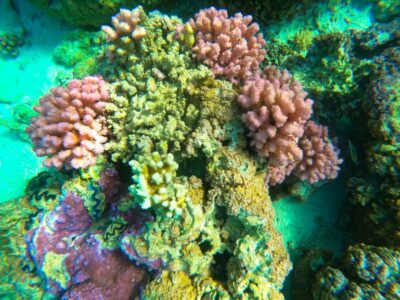 ★ 4.9Bora Bora: Full day Lagoon Safari & Lunch on a Motu – STFrom $151443 reviews
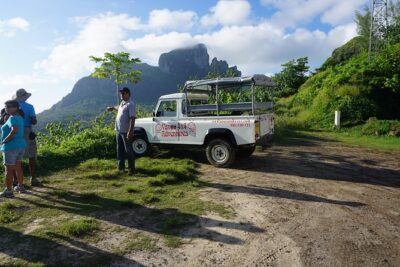 ★ 4.5Bora Bora: Half Day Island 4WD Guided TourFrom $91440 reviews
 ★ 5.0Bora Bora Half Day 4X4 Island Safari ToursFrom $107431 reviews
Browse the lists this tour appears in