
REVIEW · UNDERWATER WALKS & SEA SCOOTERS
Aqua Safari Introductory Helmet Dive (Underwater Walk)
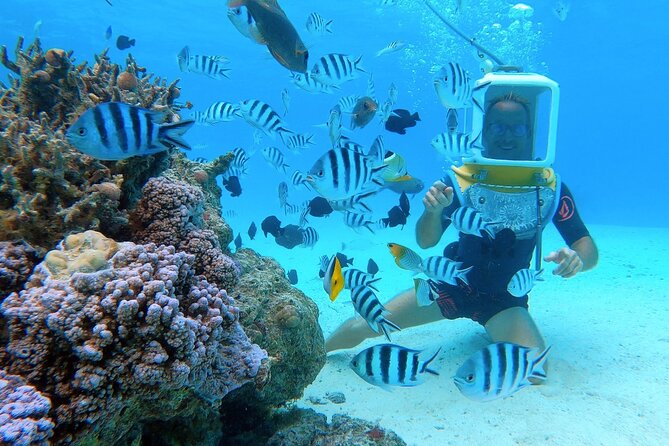
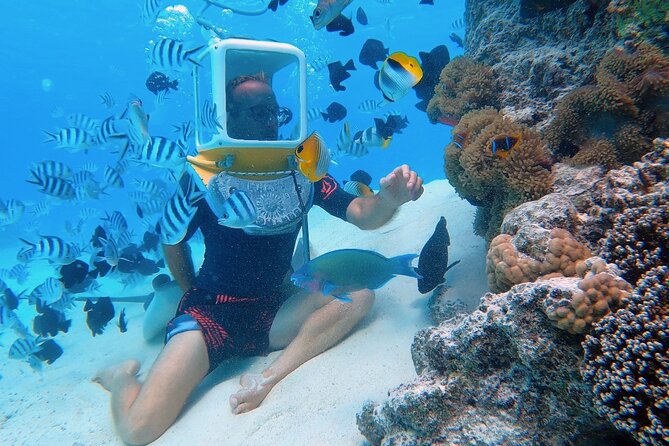
The best part is you stay dry. This underwater helmet walk lets you see Bora Bora’s fish and coral at around 3 meters, without swimming skills or snorkeling confidence. I love that it is built for first-timers, and that your guide takes photos during the walk so you leave with more than just memories. One thing to consider is that the helmet limits your sideways vision, so you’ll rely on your guide and the rope more than you might expect.
If you want a close-up look at the lagoon but you do not want scuba training, this is one of the most practical ways to get there. You also get a guided, controlled area (so you are not free-floating like you might feel with open-water snorkeling). The experience is active enough to feel like an adventure, but calm enough for most people to handle with ease.
In This Review
- Key Highlights You Should Know Before You Book
- Why an Underwater Helmet Walk Works in Bora Bora
- Before You Go: Pickup, Meeting Point, and What to Plan
- The Boat Ride and Gear Transfer: Getting to the Coral Garden
- Safety Briefing and Helmet Fit: The Part That Builds Confidence
- Walking Underwater: Coral, Fish, Stingrays, and Rope Support
- Photos You Can Actually Use: HD Pictures and Optional Add-Ons
- Who This Is Perfect For in Bora Bora
- Price and Value: Is $158.76 a Good Deal Here?
- Small Operational Notes That Matter Day-of
- Should You Book This Underwater Helmet Walk in Bora Bora?
Key Highlights You Should Know Before You Book
- Helmet walk for non-swimmers: No swim test, no snorkeling skills needed
- 30 minutes underwater: Plan for about that long at around 10 feet depth
- Photos included by your guide: High-definition souvenir photos are offered afterward
- Rope-guided, roped-off area: You stay in a controlled zone with support
- Fish and coral in a tight garden: Expect parrotfish, butterflyfish, clownfish, and more
- Small groups, up to 12: More attention during safety checks and time underwater
No mask, no problem. Other helmet walks and scooter runs
Why an Underwater Helmet Walk Works in Bora Bora
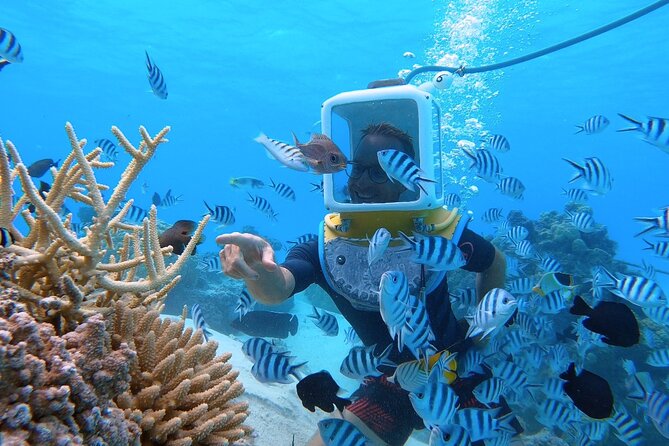
Bora Bora’s lagoon is famous for being clear and colorful, but that reputation can trick you. On a normal snorkeling day, you can end up fighting your gear, gasping in chop, or failing to get close enough for it to feel worth the effort. With an underwater helmet walk, the big idea is simple: you are protected, you stay comfortable, and you still get a front-row view.
Here’s the practical upside: you do not have to swim, and you do not need scuba experience. The helmet system is made so you can breathe normally while you walk on the lagoon floor, usually at depths around 10 feet (about 3 meters). In plain terms, it turns Bora Bora’s underwater world from something you watch from the surface into something you experience up close.
I also like the social side. This is a shared tour, so you’ll be in the water with a small group and guided by a professional scuba instructor. That matters because it changes the vibe from stressful to guided. You are not guessing what to do next.
The one caution I’d flag is that you’ll want to listen closely during instructions. The helmet affects how you see, especially your peripheral vision. You’ll likely keep your head up and follow cues, rather than turning to scan every direction like you would above water.
Before You Go: Pickup, Meeting Point, and What to Plan
The tour is based out of a ferry and boat meeting area in Bora Bora, listed at Ferry And Boat Point with code F6VX+53X. You return to the same meeting point when you’re done. If you choose pickup, the operator says it is offered, and you’ll use your mobile ticket to check in.
Timing-wise, expect about 2 hours total for the experience, with the underwater portion clocking in at about 30 minutes. Some descriptions frame it as a longer outing, so I recommend planning a little buffer in your day. If you are on a tight schedule, build in time for transport from your hotel docks to the boat.
What to wear is not complicated, but think comfort. The helmet system keeps your head dry, which is a big plus in warm lagoon water. Still, you’ll be standing and moving in wet conditions before and after. I’d bring:
- sandals or water-friendly footwear that stays put
- a light layer or rashguard if you run cold in wind on the boat
- a waterproof phone case if you’re bringing your own camera
One small but useful tip from the experience style is to be ready for ear pressure. Several people mention ear discomfort at the start, and gum can help you manage that on the way down. Also, if you rely on glasses, the helmet setup tends to make this tour easier than regular snorkeling.
The Boat Ride and Gear Transfer: Getting to the Coral Garden
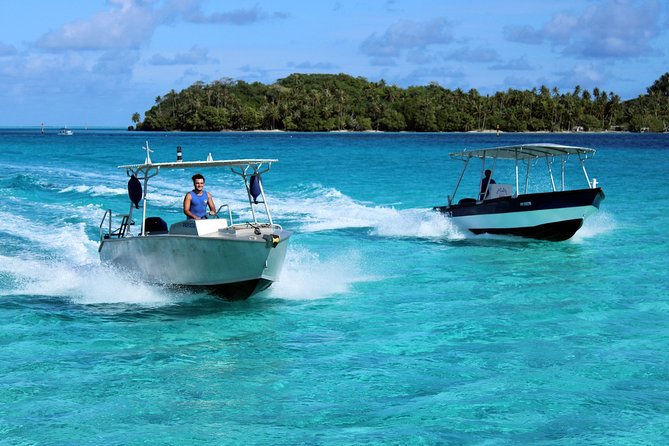
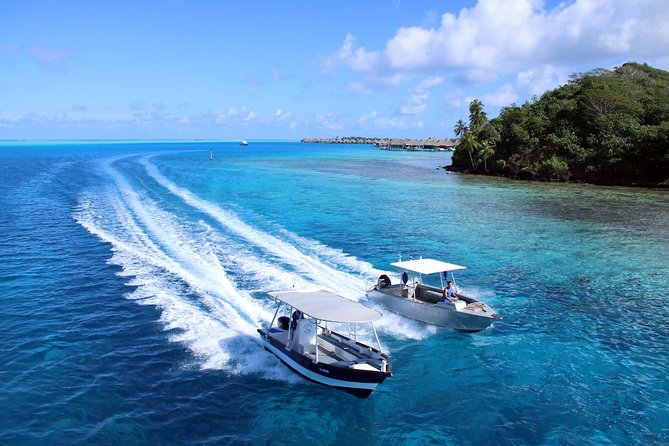
Most of the day’s action is on and in the water, but the boat transfer is part of the experience. You’ll typically ride by boat from the meeting point to the lagoon site, and the group stays organized with a team that has done this many times.
You’ll also see the operation’s flow quickly. Gear is prepared, the transfer to the underwater walk setup is straightforward, and your guide handles the helmet routine. A big plus in the feedback I gathered is how much attention staff give during the transition. People who were nervous, including first-timers and kids, often say they felt taken care of right away.
And the site setup matters. The walking area is controlled and roped off, so you are not roaming into unknown territory. That detail removes a lot of anxiety for people who worry about being pulled around or drifting too far.
- Reef Discovery Half Day Group Signature Tour★ 5.0 · 968 reviews
- Bora Bora Atv-Quad Tours★ 5.0 · 471 reviews
- Bora Bora: Full day Lagoon Safari & Lunch on a Motu – ST★ 4.9 · 443 reviews
- Bora Bora: Half Day Island 4WD Guided Tour★ 4.5 · 440 reviews
- Bora Bora Half Day 4X4 Island Safari Tours★ 5.0 · 431 reviews
Safety Briefing and Helmet Fit: The Part That Builds Confidence
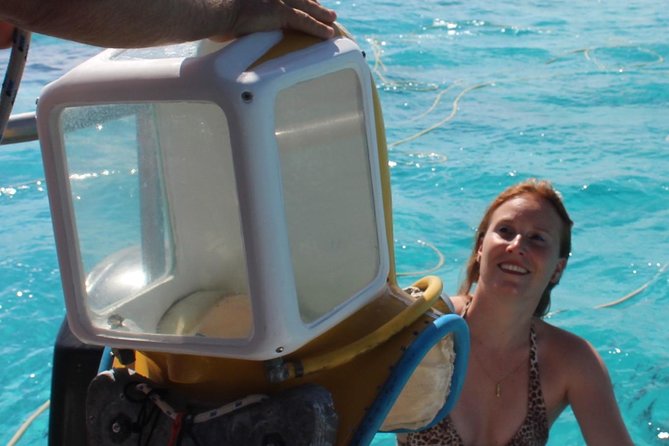
The tour starts with a briefing and safety instructions, then you don the helmet and step into the lagoon. This is where the professionalism shows. You’ll get time to understand how to move, where to look, and how to handle your breathing in the helmet system.
Two key points that help first-timers:
- You breathe normally under the helmet, so you are not stuck holding your breath.
- You are guided through the descent, and your instructor manages the pace.
People also mention using the rope for stability, especially if there’s wind or a slight current. That rope is not a gimmick. It’s the reassurance that you can steady yourself without wrestling with balance.
If you are the type who worries about being underwater, this is the section to pay attention to. The descent can trigger ear pressure for some people. Gum is an easy fix that helps some guests, and listening to the team’s timing helps too.
Walking Underwater: Coral, Fish, Stingrays, and Rope Support
Now for the main event. After setup, you spend about 30 minutes walking underwater, typically around 10 feet deep, and sometimes a bit deeper depending on the group and conditions. You’ll be in the middle of a coral garden on sandy bottom, which is one reason the walk feels so different from snorkeling.
What you see is the payoff. Expect lots of color and movement. Commonly mentioned fish include:
- parrotfish and butterfly fish
- clownfish
- moray eels
- stingrays
A lot of the excitement comes from fish behavior. Some species linger nearby, and people often describe fish swarming around them during the walk. There is also a feeding element that can attract fish close up. Depending on the day, the operator may use small amounts like bananas, or there may be an optional bread bag. If you are uneasy about touching fish, you can keep your hands to yourself, and still get great viewing.
Stingray encounters are a signature here. One guide setup includes a stingray that seems trained to interact calmly, even responding to commands learned by the crew. Whether you get that exact interaction or you just see stingrays passing close, the chance of a close, non-rushed encounter is real.
What about comfort? Most people find the walk manageable because you are not trying to swim. You’re walking slowly, holding the rope if needed, and following your guide. If the day has wind or current, your pace might feel slower or you might focus more on stability. Still, the area is roped off, and instructors stay attentive.
Also, remember the helmet’s visual limit. Peripheral vision is reduced, so scanning the reef becomes a head movement exercise. That is why the rope and guide cues matter. You’ll see more by following instructions than by trying to fight the helmet optics.
Photos You Can Actually Use: HD Pictures and Optional Add-Ons
One of the smartest parts of this tour is the photo plan. Your instructor takes pictures of you throughout the walk using a high-definition camera. These become a souvenir you can review at the end, with the souvenir images offered afterward.
This is value, not fluff. In Bora Bora, the underwater view can be hard to capture well with a basic phone. With the helmet walk, you’re close enough for photos to look sharp, and the guide is positioned to record you as you move.
A practical tip: if you want your own footage, people recommend bringing a waterproof camera or even a GoPro-style setup for close-up reef images. I like that advice because it gives you the best of both worlds, guided photos for you, plus your own angles for the reef detail.
If you love the idea of having a physical souvenir from the lagoon, this photo system is one of the strongest reasons to choose this over a DIY snorkeling day.
Who This Is Perfect For in Bora Bora
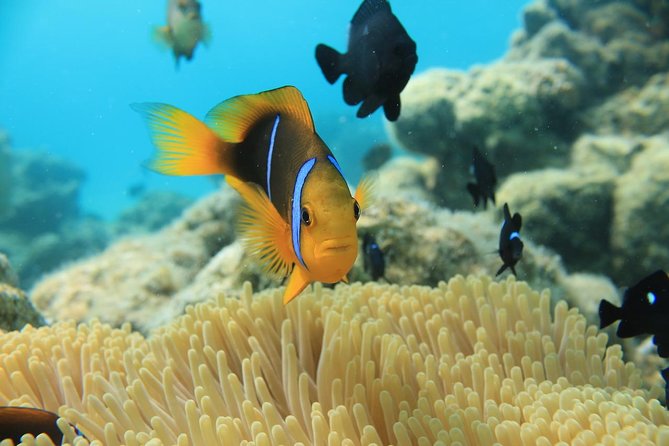
This is one of those rare activities where the target audience is clear. It works best if you want underwater scenery, but you do not want the stress of traditional options.
You’ll likely love it if:
- you do not know how to swim or you feel uneasy in open water
- you wear glasses and want an easier way to see than snorkeling
- you want a family-friendly activity that feels safe and structured
- you feel nervous about scuba gear or don’t want scuba training
People also describe it as a great option for kids. The controlled depth, guided descent, and roped-off area help make it feel less like an unknown challenge and more like a guided outing.
One more group that seems to click with this tour: travelers who love snorkeling but feel like they never get close enough to enjoy the reef. The helmet walk gets you nearer to the fish and coral while keeping things simple.
The main reason someone might not love it is comfort expectations. If you’re very sensitive to ear pressure, you might still feel discomfort at the start. Also, the helmet can feel odd if you have claustrophobia or you hate limited vision. That said, the guides spend time making sure you’re comfortable before going under.
Price and Value: Is $158.76 a Good Deal Here?
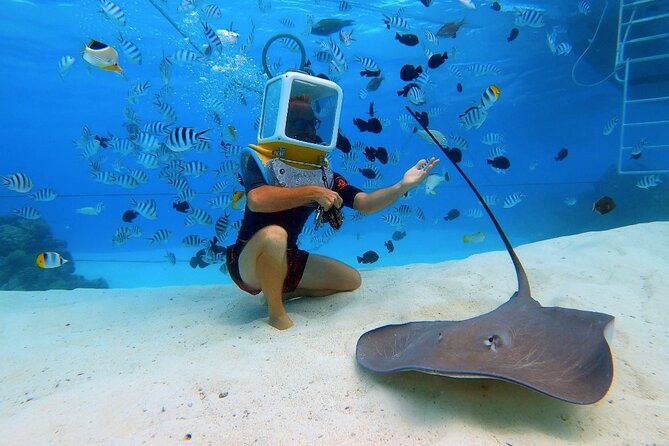
At $158.76 per person, it is not the cheapest thing on the island. But in Bora Bora pricing, you have to ask what you get for that money, not just what you pay.
Here’s what the price includes based on the tour details:
- all necessary equipment
- a safety briefing and professional instruction
- about 30 minutes underwater
- a guided walk in a controlled coral area
- an HD photo plan taken by your instructor
- a small group limit (max 12)
Now compare that to the alternatives people often consider. A regular snorkeling trip can be lower cost, but you might spend more on transportation, gear rentals, and still not get the close-up view you want. Scuba training costs more, takes longer, and is a bigger commitment.
This tour is the “in-between” choice, the one that lets you experience the underwater world without training. If you care about the coral and fish close up, and you want the helmet’s dry comfort, the value is easier to justify.
Yes, it’s expensive if you only want a quick look from the surface. But if you want a structured, guided underwater experience, and you like the idea of photos being handled for you, this is one of the more practical ways to buy yourself time in Bora Bora’s best natural feature.
Small Operational Notes That Matter Day-of
This style of activity is weather dependent. The operator notes that it requires good weather, and cancellations can happen if conditions make the walk unsafe. Even if the sky looks fine, sea conditions like swell and currents can change. If your schedule is tight, try to keep one flexible day in the background.
Pickups also depend on timing. People mention that instructions around pickup time can affect how smoothly your day goes, so read any confirmation info you receive carefully and show up ready.
Two more practical thoughts:
- Bring gum if you tend to get ear pressure.
- If you’re worried about filming, plan for your own waterproof camera while also budgeting for the guided photos.
Finally, it’s worth noting that the walk is in a roped-off area. That’s a good thing for safety and comfort, but it means you won’t be exploring like you would on a free roam dive site. If you want wide open exploration, pick a different water activity. If you want a close, repeatable underwater view, this fits.
Should You Book This Underwater Helmet Walk in Bora Bora?
Book it if you want the best shot at seeing Bora Bora’s fish up close without swimming skills or scuba training. It’s especially worth considering if you have kids, if someone in your group cannot swim, or if anxiety around open water gear is holding you back. The controlled depth, rope support, and professional guidance are the big reason this works for so many different comfort levels.
Skip it, or at least reconsider, if you hate helmet wear, you are very sensitive to ear pressure, or you want a more independent underwater exploration. And if you are visiting on a schedule with no backup day, treat weather risk seriously and plan accordingly.
If you choose to go, you’ll get exactly what you came for: a calm, guided walk over coral, close fish encounters, and photos you did not have to capture yourself.
The Rest of Our Island Reviews

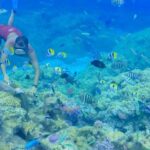
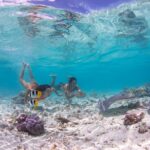
Helmet Dives and Sea Scooters
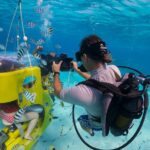

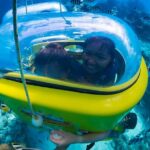
Other French Polynesia trips in our review pile
- Private Experience of Tahitian Wine and Rum Tasting
★ 4.5 · 3 reviews - Private sunset cruise in Bora Bora
★ 5.0 · 3 reviews - Private Reef Discovery Luxury Dream Day Tour in Bora Bora
★ 5.0 · 3 reviews - Private Bora Bora Lagoon Experience
★ 5.0 · 3 reviews - Half a day to discover Bora Bora with O-sea
★ 5.0 · 3 reviews - Guided Tour of Bora Bora by Quad
★ 4.0 · 3 reviews
Underwater Walks & Sea Scooters, compared.
 ★ 5.0Sea Scooter Jet Snorkeling “Moorea Dream Adventure”From $174461 reviews
 ★ 5.0Aquablue MooreaFrom $109262 reviews
 ★ 5.0Sea Scooter Jet snorkeling “Moorea Reef Adventure”From $112124 reviews
 ★ 5.0Bora Bora Underwater ScooterFrom $493108 reviews
 ★ 5.0Moorea: Sea Scooter Snorkeling TourFrom $16777 reviews
 ★ 4.9Moorea: Aquablue Helmet Underwater Walking ExperienceFrom $10353 reviews
 ★ 5.0Magical Boat Tour with Underwater Cabin in Bora Bora!From $21040 reviews
 ★ 5.0Sea Scooter Snorkel Tour – Lagoon Discovery : Wrecks, Coral Gardens and Tropical FishiesFrom $10937 reviews
Browse the lists this tour appears in