
REVIEW · POLYNESIAN CULTURE TOURS
Polynesian culinary experience
A kitchen in pineapple country beats another beach day. In Moorea’s Paopao Valley, you cook local dishes in a working farm setting, led by Audrey and Stevenson, with Polynesian culture woven into every step. I especially like the hands-on approach, where you learn how ingredients are grown and how they turn into real meals.
My other big plus is the value for what you get: lunch, snacks, and coffee or tea are included, and you leave with recipes you can try at home. One thing to consider is that the experience does not include an air-conditioned vehicle, so plan for warm outdoor time on Moorea’s schedule.
In This Review
- Key Highlights You Should Know
- A Farm Workshop in Moorea’s Paopao Valley
- Meet Audrey and Stevenson, Your Polynesian Food Guides
- From Garden Plants to Poisson Cru Prep
- Leaf-Wrapped Bread, Coconut Chips, and Other Skills You Keep
- BBQ Tuna and Homemade Sauces: The Flavor Lesson
- Lunch Together, Recipes to Take Home, and the Best Part After You Cook
- Price and Value: Is $99 Reasonable in Moorea?
- What to Expect on the Clock, From Morning Start to Full Meal Finish
- Who This Polynesian Culinary Class Is Best For
- Should You Book This Moorea Polynesian Cooking Experience?
- FAQ
- How long is the Polynesian culinary experience in Moorea?
- What time does the experience start?
- Where is the meeting point?
- What is included in the price?
- What is not included?
- Is this activity private?
- Is there a mobile ticket?
- What is the cancellation policy?
Key Highlights You Should Know
- Paopao Valley pineapple fields setting, with garden-grown ingredients as part of the lesson
- Audrey and Stevenson guide you through Polynesian cooking skills and cultural meaning
- Poisson cru preparation (including tuna prep), plus bread and desserts wrapped in leaves
- BBQ tuna and homemade sauces using local flavors you can actually recreate
- Plant spotting in the garden, so you understand what you’re cooking before you cook it
- Lunch and snacks included, so you’re not hungry while you learn
Marae, legends and dance. Other cultural outings we sat through
A Farm Workshop in Moorea’s Paopao Valley
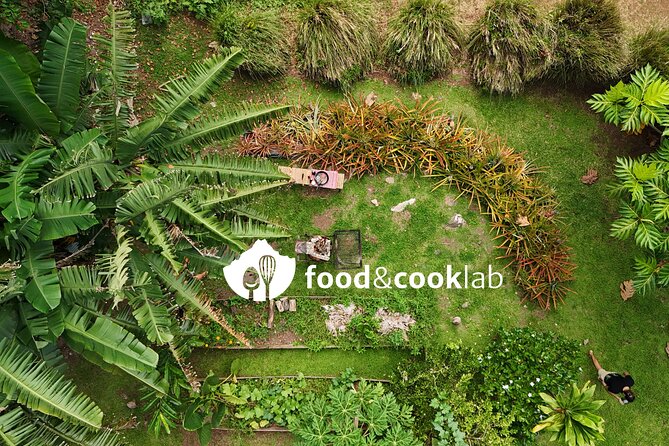
This is not a showroom-style cooking class. The action happens in the heart of the Paopao Valley, among pineapple fields, with professional workshop spaces meant for hands-on training and culinary activities. You’re also near production facilities, so the day feels grounded in how food is made, not just how it’s presented.
A big part of the value here is the “source to plate” feel. You get surrounded by growing gardens and learn how local products fit into daily Polynesian life. It’s a smart way to make the culture feel practical. You’re not only tasting Polynesia, you’re learning the logic behind it, from ingredients to cooking methods.
The setting alone is worth showing up early. Even if you’re not a garden person, you’ll start noticing how island food depends on what’s in season and what grows nearby.
Meet Audrey and Stevenson, Your Polynesian Food Guides
The hosts matter here, and you get two central teachers, Audrey and Stevenson. Multiple guests call them welcoming, personable, and genuinely invested in teaching. That shows up in how the class is paced: not just instructions, but interaction, Q&A, and a sense that you’re part of a group process.
You may also meet supporting help during the cooking. One review mentions a helper named Mauri, and that kind of extra hands usually means you get more time learning instead of waiting around. You’ll likely be asked to participate in different parts of the preparation, so you do something instead of just watching.
I like that the hosts don’t treat Polynesian food as a single dish like poisson cru and call it a day. They frame food as history and life today, including how Polynesian society is transforming over time. When food is taught this way, it lands differently when you eat.
From Garden Plants to Poisson Cru Prep
The day starts with food and culture together. You’ll learn about local products and benefits, and how they’re cooked traditionally. One of the most memorable lessons is the focus on poisson cru, often associated with Tahitian cuisine.
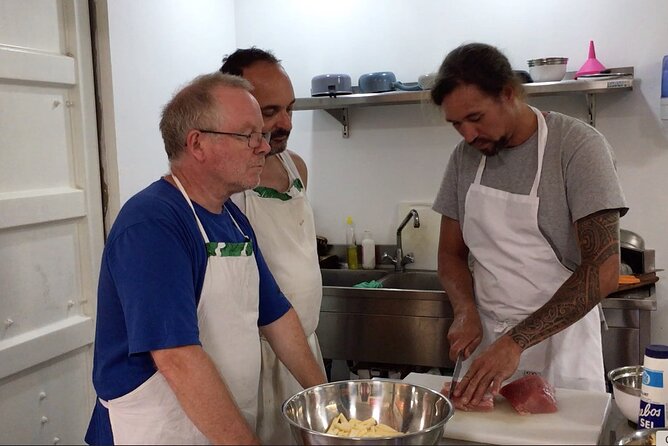
You can expect to do real prep work, not just taste. Guests describe carving tuna for poisson cru and learning how to handle ingredients in a way that makes sense locally. If you’ve only ever ordered poisson cru in a restaurant, this is where you start understanding why it tastes the way it does, down to technique and ingredient handling.
There’s also a practical garden component. Reviews mention identifying plants in the garden, which is surprisingly helpful. When you can name what you’re seeing, you stop thinking of ingredients as random exotic stuff. You start seeing a system: what grows, how it’s used, and why certain flavors make sense together.
And that cultural framing matters. Poisson cru is delicious, sure, but the lesson is bigger than a recipe. You’re learning how island food uses what the place naturally gives you.
- Moorea 6-Hour Snorkeling and Lunch Shared Tour★ 5.0 · 1,758 reviews
- Moorea 4WD Tour Inc. Belvedere, Pineapple Farm, Magic Mountain…★ 5.0 · 967 reviews
- Snorkeling excursion, discovery of the lagoon, small group.★ 5.0 · 861 reviews
- Franckyfranck Tours Moorea – Half day Tours★ 5.0 · 817 reviews
- Best Way to Interact with Ocean Wildlife with Lunch. 6H★ 5.0 · 599 reviews
Leaf-Wrapped Bread, Coconut Chips, and Other Skills You Keep
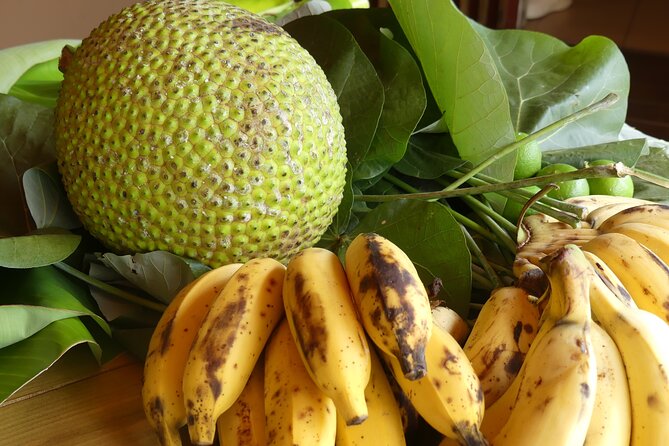
This class doesn’t float on one big signature dish. It’s a lineup of techniques, and you’ll likely leave able to recognize and recreate the basics.
Bread is one of the standout skills. Guests mention bread wrapped in banana leaves and coconut bread made inside a leaf. The leaf is not decoration. It’s part of how heat and flavors work, and it makes the cooking method feel distinctly Polynesian.
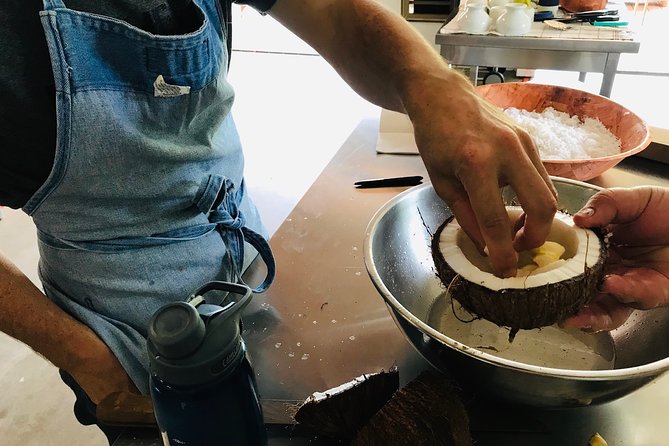
You can also expect coconut preparations, including coconut chips. That matters because it shows how Polynesians use what’s abundant, not just what’s trendy on a menu. If you’re the type who wants a practical “I can make this at home” souvenir, these smaller skills are gold.
Dessert also shows up in leaf-wrapped form. Reviews mention a pumpkin-like tapioca dessert wrapped in a banana leaf. That’s the kind of detail you won’t forget, and it’s a fun bridge between cooking and cultural tradition. You’re not only tasting, you’re learning how cooking can be portable, structured, and friendly to the island’s resources.
BBQ Tuna and Homemade Sauces: The Flavor Lesson
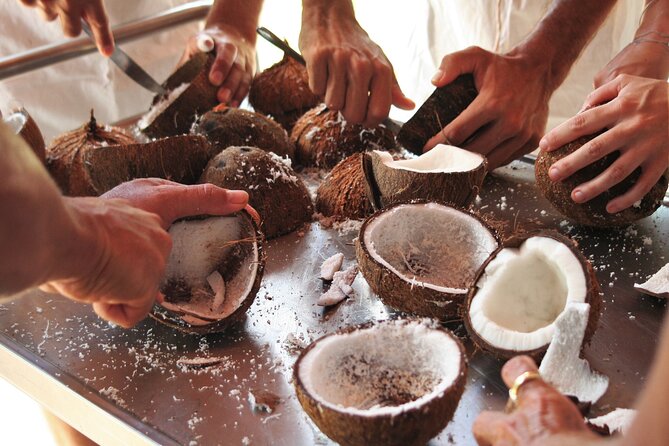
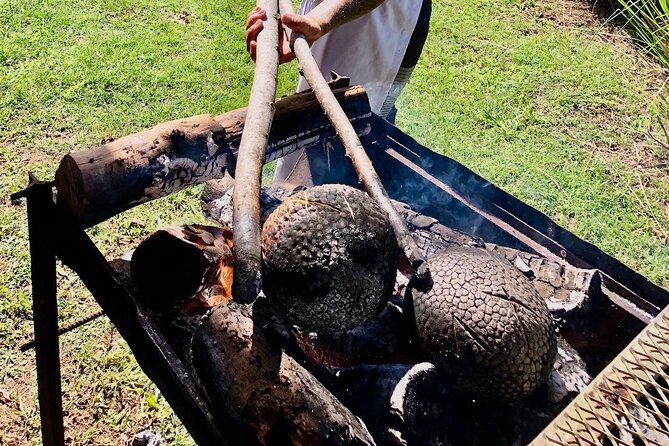
One of the best things about this experience is that it doesn’t end with raw seafood. Guests describe grilled tuna cooked on the barbecue, with local sauces made at home by the group.
This is where you learn that sauces are part of the skill, not an afterthought. Multiple reviews mention grilled tuna plus homemade glazed sauces, and that gives you a clearer picture of how flavors get layered in Polynesian cooking.
If you’re worried about the class being repetitive, it’s not. You’ll move between different preparation styles, including grilling and leaf-based cooking. The pace keeps you busy, and that’s important in a half-day activity. By the time you sit down to eat, you’ve built an actual relationship with what’s on your plate.
Also, you’ll be surrounded by real ingredients from the valley when possible. That farm connection is one of the most praised parts of the experience, and it shows up in taste, freshness, and the sense of occasion.
Lunch Together, Recipes to Take Home, and the Best Part After You Cook
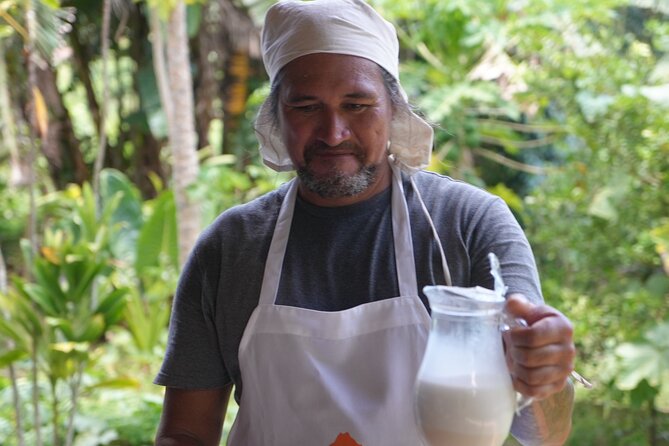
The best moment often comes after the work: sitting down together to enjoy your meal. Reviews repeatedly mention that the lunch is one of the highlights of Moorea visits, with people saying it’s their best meal since arriving. That’s not typical for short classes, and it suggests the food quality and portioning are taken seriously.
You’ll get lunch plus snacks, and coffee or tea is included. Alcohol is not included, so if you want a drink pairing, you’ll need to plan separately.
One of the most useful outcomes is leaving with recipes. Several reviews mention receiving copies of recipes to try back home. That turns the whole experience from a fun memory into something you can use. Even if you don’t replicate every ingredient perfectly where you live, having the method and structure will help you get close.
Some guests also mention leftovers to take home. Even if you don’t count on that, the overall vibe is that you’re fed well, not just “given a bite” for the photo.
Price and Value: Is $99 Reasonable in Moorea?
At $99 per person for about 3 hours 30 minutes, this sits in the “worth it if you’re hungry for real culture” category. What makes it feel fair is the mix of things that are normally separate when you price them out on your own.
You get:
- Lunch, snacks, and coffee or tea included
- A guided food and culture lesson with hands-on cooking
- A working farm and garden setting in the Paopao Valley
- Recipes to take home
In practical terms, you’re paying for expertise, ingredients, and the teaching time. You’re also paying for a setting that’s hard to replicate, since the whole point is that the food comes from the valley and is explained through cultivation and cooking.
If you’re the kind of traveler who thinks a cooking class should be more than tasting a single dish, this makes sense. If you only want a quick snack tour, you might feel like you expected less cooking and more eating. But most reviews point to the opposite: people come for food and end up with culture, skills, and a meal that feels special.
What to Expect on the Clock, From Morning Start to Full Meal Finish
The class starts at 9:00 am and runs about 3 hours 30 minutes. That timing is great if you want to get something meaningful done before the day turns into snorkeling and beach planning chaos.
Because there’s no included air-conditioned vehicle, you should expect some warm outdoor time. Plan your comfort like you would for a farm walk. Light layers help, and bring sun protection.
The good news is that the pace is built around participation. Reviews describe a laid-back but well-run experience where everyone has a role, so you’re not stuck in one spot for the whole session. That group structure helps keep the time moving and makes the experience feel like a family activity rather than a lecture.
Who This Polynesian Culinary Class Is Best For
This is a strong fit if you:
- Love cooking and want island techniques, not just ingredients
- Want culture taught through food, including Polynesian history and how people live today
- Enjoy farm-to-table settings and learning what grows nearby
- Prefer interactive activities over passive tours
It also works well for couples and families. One review mentions a mother and daughter class experience, and others describe the hosts making the day feel friendly and collaborative.
If you’re traveling with someone who cares about dietary needs, there’s at least one example of vegetarian accommodations being possible. That doesn’t mean every situation can be handled, but it suggests the hosts are thoughtful.
If you dislike hands-on work, this may be less comfortable. The class is built around doing, from prep tasks like tuna carving to cooking steps like leaf-wrapped bread and grilling.
Should You Book This Moorea Polynesian Cooking Experience?
Book it if you want a memorable Moorea activity that teaches you skills, not just tastes. The combination of Audrey and Stevenson’s teaching, a real farm setting in the Paopao Valley, and a full lunch with take-home recipes is exactly what makes this kind of class worth your time.
I’d skip it only if you’re mainly shopping for beaches, and you don’t want to cook or do prep work. Otherwise, this is one of the best ways to understand Polynesian food as culture, technique, and place all at once.
If you can, pre-book rather than hoping for last-minute availability. Popular classes like this tend to fill, and you want your morning locked in early.
FAQ
How long is the Polynesian culinary experience in Moorea?
It lasts about 3 hours 30 minutes.
What time does the experience start?
It starts at 9:00 am.
Where is the meeting point?
The meeting point is F5MG+32W, Moorea-Maiao, French Polynesia.
What is included in the price?
Coffee and/or tea, lunch, snacks, and all fees and taxes are included.
What is not included?
Alcoholic beverages are not included, and there is no air-conditioned vehicle included.
Is this activity private?
Yes. It is private, and only your group participates.
Is there a mobile ticket?
Yes, you receive a mobile ticket.
What is the cancellation policy?
Cancellation is free up to 24 hours in advance for a full refund. If you cancel less than 24 hours before the start time, you do not get a refund.
The Rest of Our Island Reviews



More Polynesian Culture
Other French Polynesia trips in our review pile
- Yoga at sunrise at Sofitel Moorea, overlooking Tahiti
★ 5.0 · 3 reviews - Watch and Swim with Humpback Whales in Moorea
★ 5.0 · 3 reviews - Unique photo shoot in the heart DE Moorea: Beach & mountain combo
★ 5.0 · 3 reviews - Snorkeling Safari Moorea (Half Day Tour)
★ 5.0 · 3 reviews - Private Morning Moorea 4WD Tour with Champagne
★ 5.0 · 3 reviews - 4 Hour Ariki Fishing Activity in Moorea
★ 5.0 · 3 reviews
Polynesian Culture Tours, compared.
 ★ 5.0Authentic Polynesian ExperienceFrom $146491 reviews
 ★ 5.0Full Day Combo ATV & Jet Ski with a Polynesian BBQ on a MotuFrom $652373 reviews
 ★ 5.0Bora Bora Snorkel Cruise by Polynesian Outrigger Canoe with BBQ Island LunchFrom $296195 reviews
 ★ 4.6Bora Bora: 4WD History & Culture TourFrom $7269 reviews
 ★ 5.0SHARED FULL DAY CULTURAL & LAGOON TOUR – Bora Bora Cultural Lagoon TourFrom $27938 reviews
 ★ 4.5Private flight, in a light plane over the Polynesian motus from RaiateaFrom $7232 reviews
 ★ 5.0Moorea : Safari Nature and Culture Tour with local guideFrom $11727 reviews
 ★ 4.5Land and Sea cultural tour to discover traditions, heritage and the lagoonFrom $17324 reviews
Browse the lists this tour appears in