
REVIEW · BORA BORA
Bora Bora: Morning 2 tank dive for certified divers
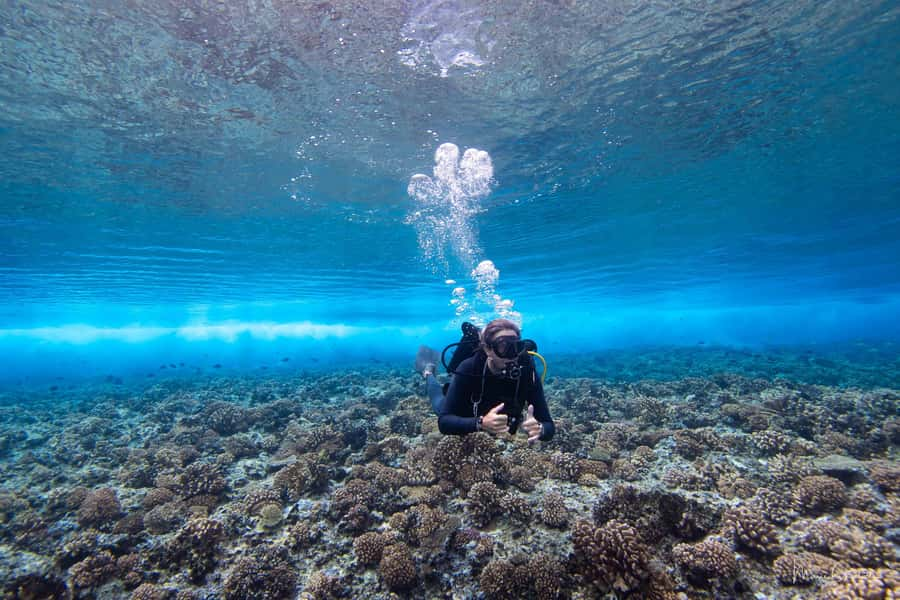
Mantas and sharks in one morning is a pretty sweet combo. This Bora Bora two-tank scuba outing keeps things tight and friendly, with a small group, professional instruction, and a schedule designed around spotting marine life in both the lagoon and outside the reef.
I especially like the small group setup. You go with no more than five certified scuba participants per instructor, and the group stays small overall, which usually means more time paying attention to your buoyancy and less time waiting around. I also like the practical comfort touches, like hot tea and cookies between your two underwater sessions, plus fresh water to reset your energy.
One thing to consider before you book: this is for certified scuba only, and you also should plan to avoid flying the same day after your sessions. If you’re not meeting those requirements, you will be disappointed fast.
In This Review
- Key things that make this Bora Bora outing work
- Morning pickup and getting to the Bora Bora scuba spots fast
- Two tank schedule, lagoon first then open-reef second
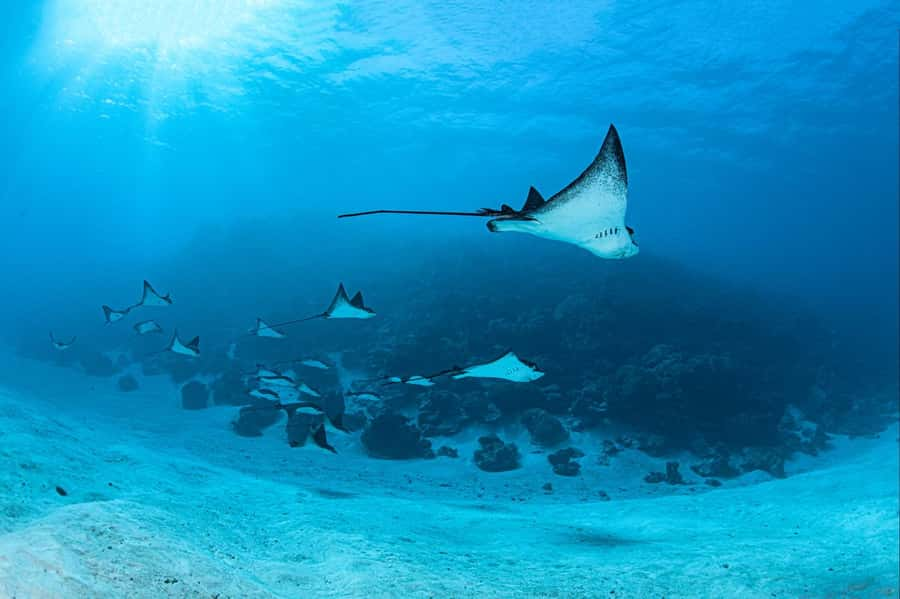
- Lagoon session: eagle ray and manta ray chances
- Open-reef session targeting black tip and lemon sharks
- Small group limits that make instruction feel personal
- Gear prep, snacks, and the little comfort details
- Price, time commitment, and who should book this
- Should you book this Bora Bora two-tank morning trip?
- FAQ
- Do I need to be certified to join this tour?
- How many people will be in the water with the instructor?
- What languages are the instructors?
- Is hotel pickup and drop-off included?
- What is provided, and what do I need to bring?
- Are towels included?
- What marine life might I see during the two sessions?
- Can I fly on the same day as the sessions?
- FAQ
- How long is the experience?
- What is included between the two sessions?
Key things that make this Bora Bora outing work
- Max 5 per instructor in the water, so you get real guidance, not a crowd situation
- Two different environments: lagoon chance for eagle rays or manta rays, then an open-reef spot
- Comfort breaks built in, with hot tea, cookies, and fresh water between sessions
- Gear and setup handled for you, including well-maintained equipment ready to go
- Common Bora Bora sites nearby, like Anau, Tapu Canyon, Tapu Nui, Toopua, and Grand Canyon
Still circling Bora Bora? Here is what else we have been out on there

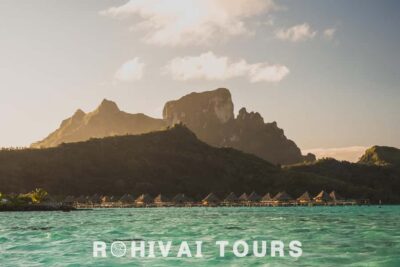
Morning pickup and getting to the Bora Bora scuba spots fast
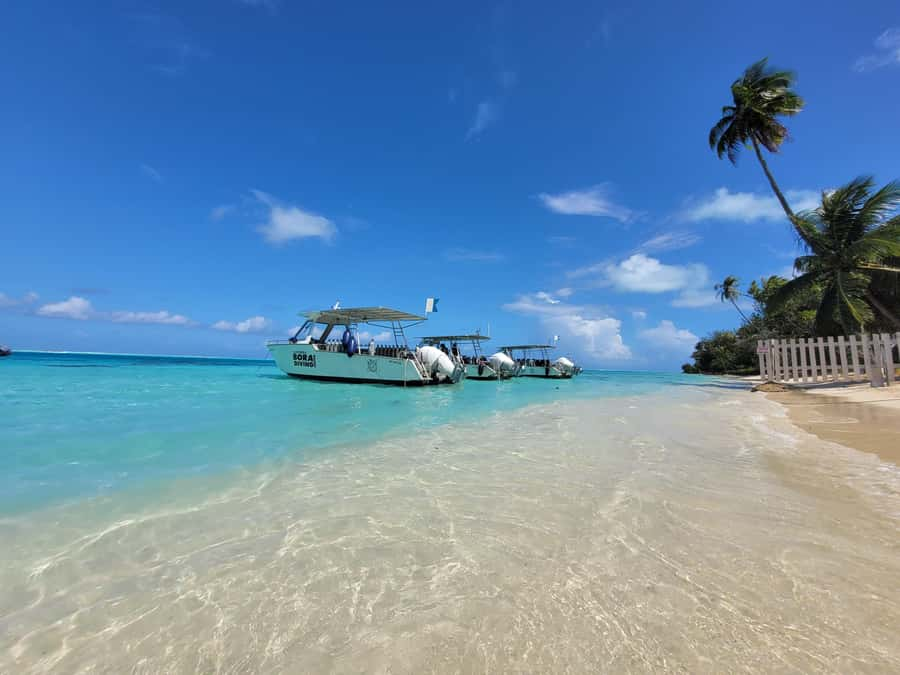
Your day starts with pickup from your accommodation in Bora Bora. The operator uses either a boat or a car depending on where you’re staying, and they confirm the exact pickup time ahead of schedule. I like that there is a clear rhythm to the morning, since you are asked to be ready about 5 minutes before pickup, which helps keep the whole plan on time.
Once you’re collected, you head out by fast boat toward your first underwater location. That quick transfer matters in Bora Bora, where weather and sea conditions can change quickly. The tour’s total duration is about 4 hours, so the goal is not to waste time. You get a briefing first, then you use well maintained equipment before you head down.
What this means for you: if you’re the type who hates standing around and waiting for a late group, this format should feel smooth. And if you want the morning light and calmer conditions, the early start fits the bill.
Two tank schedule, lagoon first then open-reef second
This is built as a straightforward two-tank morning plan. You get instruction, then you complete two underwater sessions at two different types of water.
The first portion focuses on the lagoon. The operator travels to the lagoon with a chance of seeing spotted eagle rays or manta rays. That lagoon strategy is smart because it gives you a strong odds window for big, recognizable animals without having to start the day immediately in rougher open water conditions.
Between the two sessions, there’s a break to refresh. You get fresh water, hot tea, and cookies, which is genuinely helpful after your first tank. Then you do a second open-reef session outside the reef line, where the goal shifts to different marine life.
You might also hear about the types of sites they commonly use. Typical options include Anau, Tapu Canyon, Tapu Nui, Toopua, and Grand Canyon, though the exact sites can vary. That variation is normal for reef operations, and it also means you are less locked into one plan if conditions change.
Lagoon session: eagle ray and manta ray chances
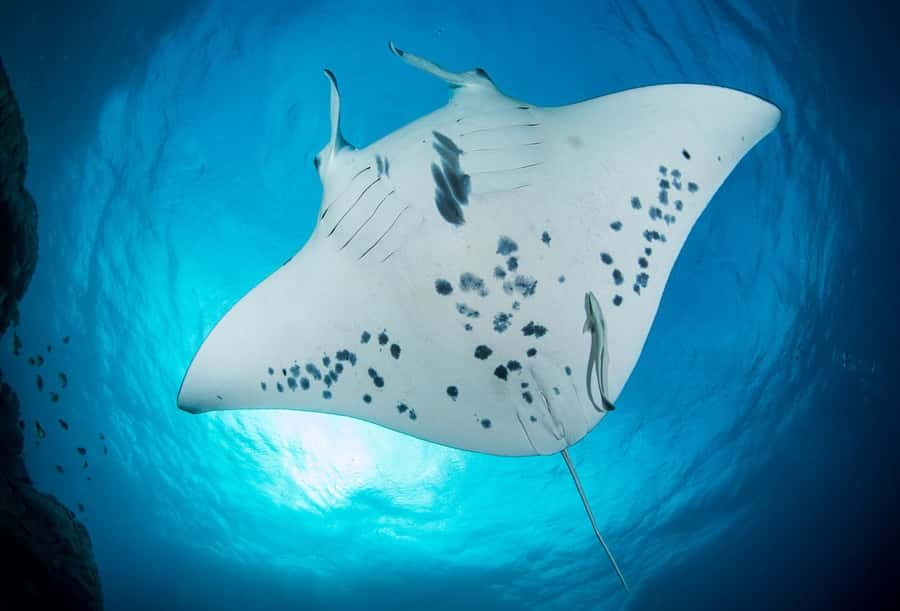
The lagoon stop is the headline for a lot of people, and for good reason. The operator is explicitly looking for spotted eagle rays and manta rays here, which tells you they are planning the route for wildlife opportunity, not just checking a box.
In practical terms, this is the section of the outing where your instructor’s guidance really matters. Small adjustments in your position, breathing rhythm, and buoyancy can make a big difference when you’re trying to spot wide-ranging animals that may only pass through a small area. The group limit helps, because you can actually follow along without feeling like you’re being rushed or lost.
Another thing I like: the lagoon part happens early enough that you’re fresh. Even experienced scuba participants often find it easier to focus at the start of a trip, when you’ve had time to settle into the breathing and neutral buoyancy basics.
If you’re chasing manta rays, this is also where you should manage expectations the right way. You are getting a chance, not a guaranteed encounter. But the fact that the plan is designed around those lagoon sightings is a strong sign you’re in the right kind of operation.
Open-reef session targeting black tip and lemon sharks
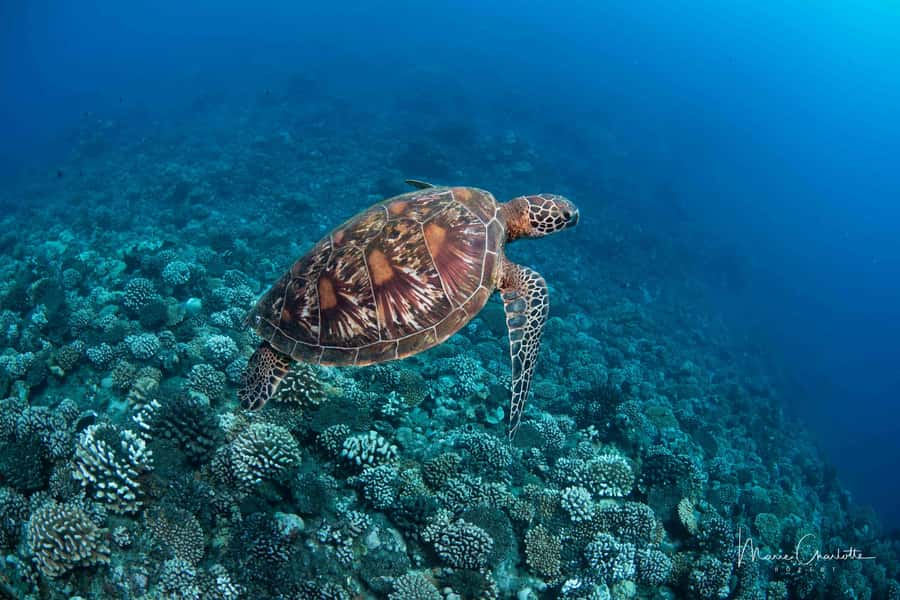
After your break, you switch to an ocean reef session, aiming for a different set of animals. Here the target is black tip sharks and lemon sharks.
This is the part of the morning that tends to feel more dramatic, even for people who are calm in the water. Open-reef conditions can also change your rhythm. Currents, visibility, and how the reef edge falls off can affect where you swim and how long you can comfortably hold position.
The key advantage is still the small in-water ratio: max five certified scuba participants per instructor. That structure matters when you’re working around larger animals. Your guide can keep the group moving smoothly, help you avoid straying from the route, and adjust the plan depending on what the water is giving you that morning.
Also, you’ll want to be mentally ready for what “outside the reef line” means. You might spend more time with a slightly different kind of drifting or finning compared to a lagoon swim. If you like the idea of watching sharks in a reef environment, this second session is where that fantasy turns into real underwater time.
Small group limits that make instruction feel personal
This operator clearly values control and attention. The tour is marketed as a group experience, but the important number is what happens in the water: no more than five certified scuba participants with one instructor.
That ratio is what you feel. You can ask quick questions during the briefing. You can get corrections without the instructor having to juggle too many people. You’re also more likely to stay together as a team, which is the best kind of safety and the best kind of wildlife-spotting combo.
It also helps explain why the operator can plan two different underwater environments in a single morning. When a guide knows everyone’s pace and comfort level, the whole trip runs cleaner.
Languages are another real-world detail. The instructors speak French and English, so if you’re more comfortable in one language, you can likely communicate more easily.
Gear prep, snacks, and the little comfort details
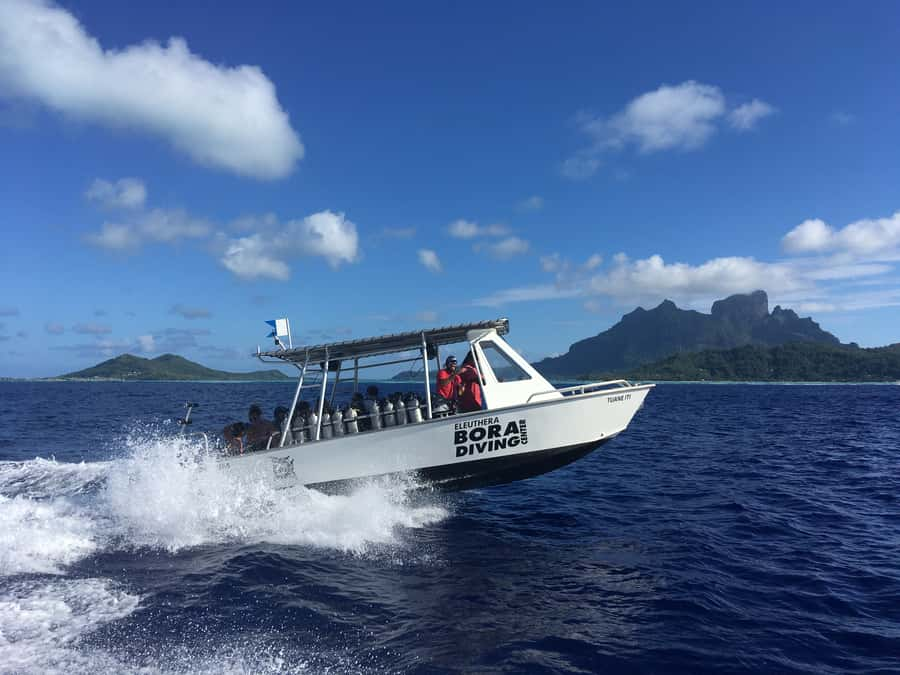
Scuba days can go two ways: stressful logistics or smooth flow. This one leans toward smooth.
Equipment is provided, and it’s described as well maintained. Even better, you’re set up after the briefing, which means you’re not wasting your best energy on hunting for parts or fiddling with straps while the water is already waiting.
Between the two sessions, the operator gives you comfort items that actually help. You get fresh water, hot tea, and cookies, which helps you warm up, rehydrate, and avoid the “crash” that can happen after your first tank. If you’ve ever done cold water gear or windy boat rides in French Polynesia, you’ll know this kind of break can make the second session feel much easier.
One practical note: towels are not included. Bring a towel so you’re not stuck drying off with a personal item that’s too small or too slow. Also, swimwear is required since you’ll be going in and out with minimal fuss.
Finally, keep your hands free with baggage rules. Luggage or large bags aren’t allowed, so travel light. If you have a camera, keep it in a safe spot, but don’t bring bulky items that slow down boarding and packing.
Price, time commitment, and who should book this
The price is $227 per person for a morning about 4 hours long, with pickup and drop-off, scuba equipment, professional instruction, and two underwater sessions. On paper, that sounds straightforward. In real life, the value comes from what’s included and what’s limited.
You’re paying for:
- transportation from your accommodation to the boat route
- professional guidance focused on two different water environments
- equipment provided, so you are not dealing with rental hassle
- snacks and drinks between tanks
The small-group structure is the part that can justify the cost more than anything. When you’re only a handful of people per instructor, the guide can actually run the experience the way it’s intended, instead of trying to manage a bigger crowd.
This outing fits best if:
- you are certified scuba and want two tank time in Bora Bora without a full day commitment
- your top priority is marine life chances in the lagoon and on an open-reef route
- you prefer personal instruction over a large group
It is not a match if you are under 12, pregnant, or you have heart problems or respiratory issues. You also should plan not to fly the same day. If those health constraints apply, don’t gamble with it. Choose an option that matches your safety needs.
Should you book this Bora Bora two-tank morning trip?
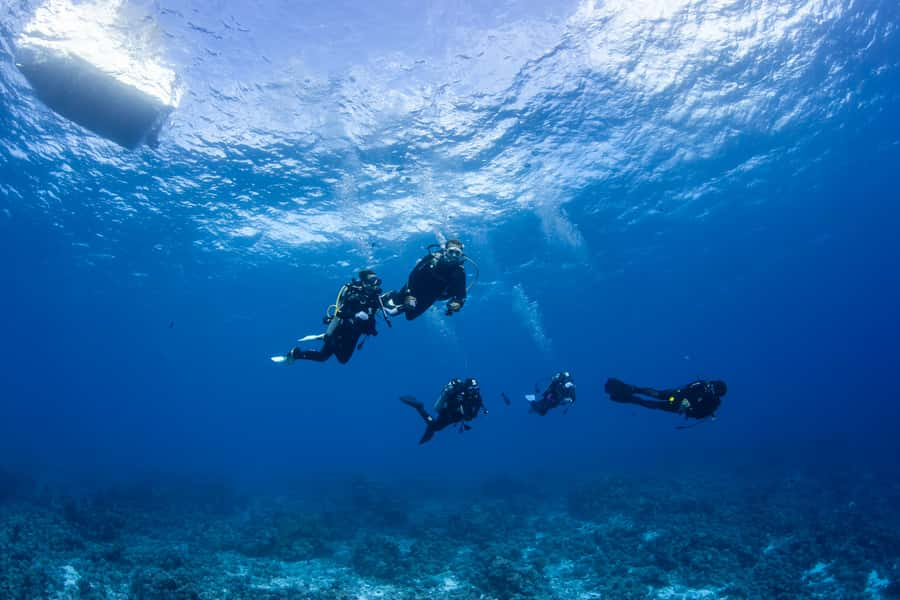
If you’re certified and want a focused morning in Bora Bora, this is a solid choice. The strongest reasons are the small in-water group limit and the clear plan for two environments, lagoon first for eagle rays or manta rays, then open-reef for black tip and lemon sharks. Add in the gear setup plus the hot tea, cookies, and fresh water between tanks, and you get an outing that feels managed from start to finish.
Skip it if you are not certified, if flying later that day is unavoidable for you, or if your health situation falls into the tour’s not-suitable categories. Also make sure you pack the basics you are responsible for, like a towel and swimwear, since towels are not included.
If you want a morning that prioritizes wildlife opportunity and instructor attention over crowds, book it.
FAQ
Do I need to be certified to join this tour?
Yes. This outing is for certified scuba participants, such as Open Water certification or at least one certification.
How many people will be in the water with the instructor?
There is a maximum of five certified scuba participants per instructor, and the overall group is small (limited to 10 participants).
What languages are the instructors?
Instructors speak French and English.
Is hotel pickup and drop-off included?
Yes. Pickup and drop-off are included, and they will confirm the exact pickup time.
What is provided, and what do I need to bring?
Scuba equipment is included. You should bring swimwear, a towel, and your scuba certification.
Are towels included?
No. Towel is not included.
What marine life might I see during the two sessions?
In the lagoon, you may see spotted eagle rays or manta rays. On the ocean reef session, the chance includes black tip sharks and lemon sharks.
Can I fly on the same day as the sessions?
No. It is not safe to fly the day of your sessions.
FAQ
How long is the experience?
The total duration is about 4 hours.
What is included between the two sessions?
You get a break with fresh water, hot tea, and cookies between the two underwater sessions.
The Rest of Our Island Reviews


Bora Bora, A Few More Ways
Other French Polynesia trips in our review pile
- Bora Bora: Private Sunset cruise on the lagoon
★ 3.7 · 5 reviews - Bora Bora Adventures ATV / QUADS Tours
★ 4.8 · 10 reviews - Bora Bora: Morning 2 tank dive for certified divers
★ 5.0 · 11 reviews - Bora Bora: Discovering the Tahitian black pearl !
★ 4.9 · 21 reviews
Bora Bora Tours, compared.
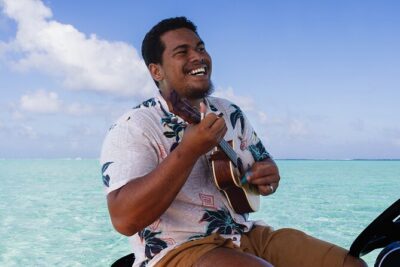 ★ 5.0Full Day Lagoon Group Tour in Bora Bora with LunchFrom $1841,423 reviews
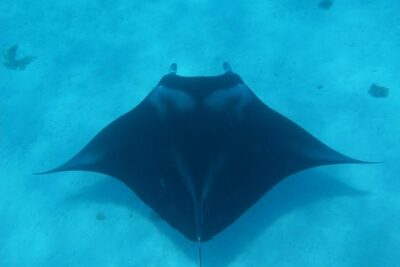 ★ 5.0Half day Snorkeling Shared Boat Tour in Bora BoraFrom $130688 reviews
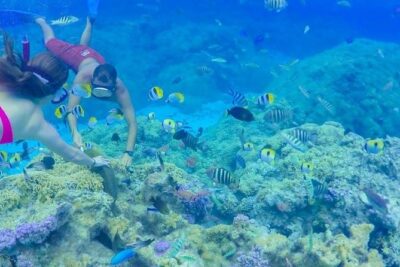 ★ 5.0Full-Day Bora Bora Lagoon Cruise Including Snorkeling with Sharks and StingraysFrom $158630 reviews
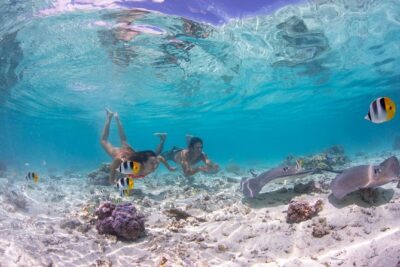 ★ 5.0Bora Bora Eco Snorkel Cruise Including Snorkeling with Sharks and StingraysFrom $118501 reviews
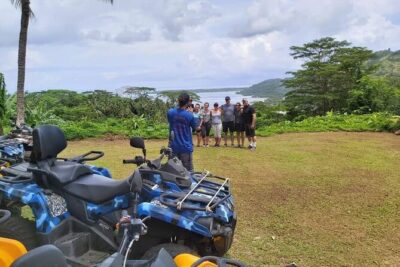 ★ 5.0Bora Bora Atv-Quad ToursFrom $229471 reviews
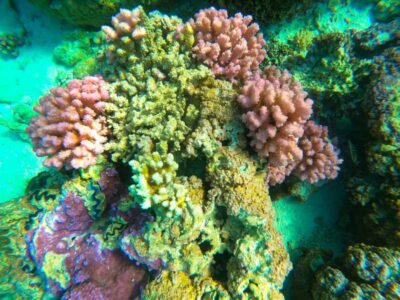 ★ 4.9Bora Bora: Full day Lagoon Safari & Lunch on a Motu – STFrom $151443 reviews
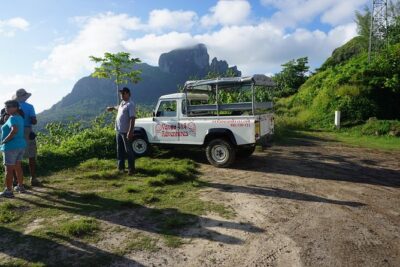 ★ 4.5Bora Bora: Half Day Island 4WD Guided TourFrom $91440 reviews
 ★ 5.0Bora Bora Half Day 4X4 Island Safari ToursFrom $107431 reviews
Browse the lists this tour appears in