
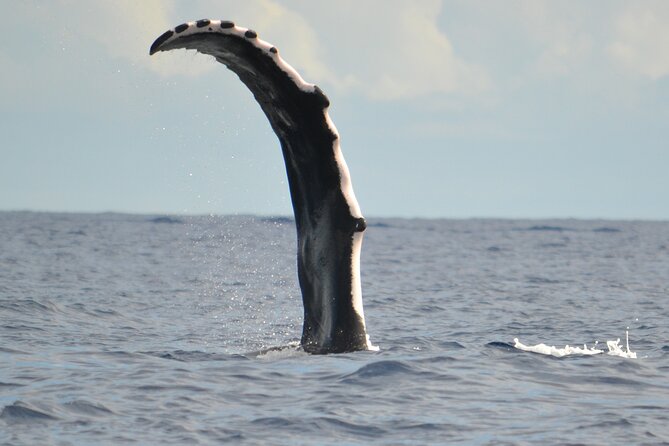
REVIEW · TEAHUPO’O
Whale watching in the calm of the peninsula with Tātahi tours
There is calm out on Tahiti’s peninsula. What I like most is how this outing keeps you away from the usual crowds while still getting you in the action with whale-focused briefings and a hydrophone to hear whale calls. One thing to plan for: the tour depends on good weather, and hotel transfer is not included.
You sail between Toahotu and Teahupoo, then head toward Fenua Aihere, a place without a road and reachable only by boat. Expect a small group size, up to 12 people, and about 4 hours on the water, with a mobile ticket at the start.
If you want an animal-respect trip in calm conditions, this is a solid match. Just be ready to meet at the starting point, and remember that snorkeling goes with what the sea allows that day.
In This Review
- Key highlights you will feel right away
- Where this whale watch stands out in Tahiti’s sea time
- The route: Toahotu, Teahupoo, and the search to Fenua Aihere
- The whale listening part: hydrophone on the boat
- Before you get in: the briefing that changes how you see whales
- Snorkeling gear, refreshments, and what “included” really means
- The whale-watching moment: what sightings can feel like
- Who this tour fits best (and who should think twice)
- Price and logistics: is it worth $193.13 for 4 hours?
- The practical schedule: 4 hours, mobile ticket, and meeting point
- FAQ
- FAQ
- How long is the whale watching tour with Tātahi Tours?
- Where does the tour start and end?
- How much does the tour cost per person?
- Is hotel transfer included?
- Is snorkeling equipment provided?
- What food and drinks are included?
- What is the route during the whale search?
- Is there whale listening equipment on board?
- How many people are in a group?
- What happens if the weather is poor?
- Should you book this whale watching trip?
Key highlights you will feel right away
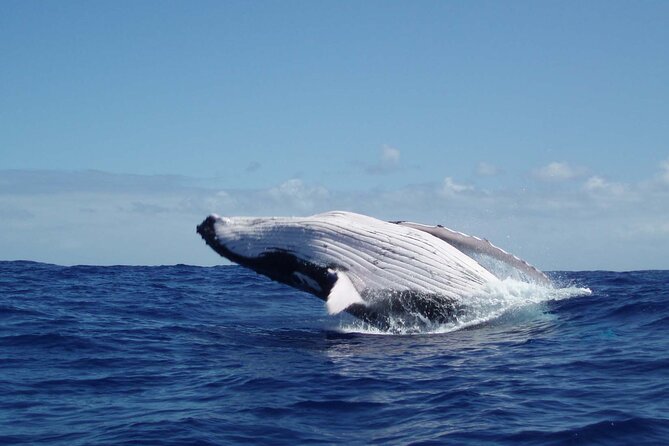
- Calm, preserved waters with very few boats around, so the trip feels quieter and more like nature time
- Teahupoo and whale habitat in one route, including the mythical wave area as you cruise by
- Fenua Aihere by boat only, adding that remote, no-road sense of place
- Hydrophone whale song on board, so you are not just looking, you are listening
- Briefing before you enter the water, with guidance on whale behavior and what to notice
- Small group (max 12), which usually means less chaos when conditions change
The Presqu'ile is more than the wave. Our other far-end write-ups
Where this whale watch stands out in Tahiti’s sea time
Tahiti’s big draw is the water, but this tour’s main selling point is the feeling of it: the peninsula zone described here is wild and preserved, with few service providers on the water. Translation for you, this is not a loud, assembly-line “boat safari” vibe. It is the kind of trip where you can actually pay attention to what is around you.
I also like that the experience is built around understanding whales, not just chasing a sighting. You get key information about behavior, lifestyle, and physical characteristics, and then you get the chance to enter the water if conditions allow. That sequencing matters. It helps you notice what is happening instead of just waiting for something to appear.
Still, keep one practical caution in mind. This activity requires good weather. The sea can change fast, and the itinerary and time in the water are subject to conditions. If you are visiting Tahiti and you have a tight schedule, keep one flexibility window if you can.
The route: Toahotu, Teahupoo, and the search to Fenua Aihere
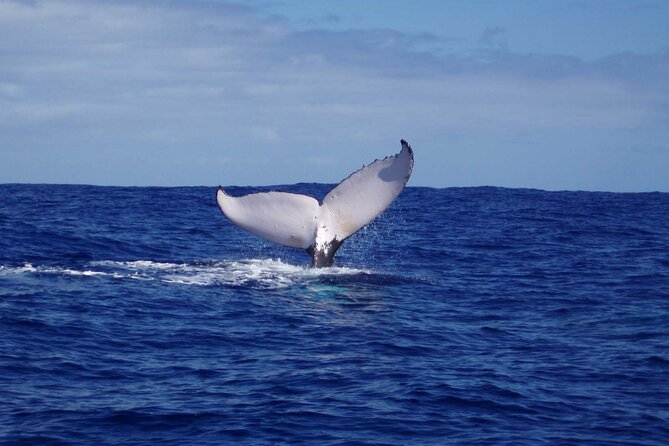
Your trip starts with sailing between Toahotu and Teahupoo, then continuing toward Fenua Aihere. The point of this route is simple: you are looking for whales in a stretch of water where they can be encountered, and the day is paced to stay calm rather than rush.
Teahupoo is name-recognition for many people, mainly because it is associated with that mythical wave reputation. Even if you are not there to surf it, cruising in that region adds a sense of place. You are not just on a random patch of ocean. You are moving through a part of Tahiti that feels rugged and serious.
Then comes Fenua Aihere, described as a place without a road. That matters more than it sounds. A no-road location usually means less human infrastructure, less everyday foot traffic, and more reliance on boats to access it. For you, that adds a more “remote Tahiti” feeling to the day.
What to expect during the search phase
During the sailing portion, the crew provides whale context so you know what you are seeing when it happens. The tour specifically mentions teaching you about whales’ behavior and lifestyle, plus their physical characteristics. That is useful because whale sightings can look different from moment to moment. With some guidance, you are better able to understand what you are observing rather than treating every spout as the same event.
The whale listening part: hydrophone on the boat
One of the smartest touches here is the hydrophone. Instead of only scanning the surface, the boat has equipment to listen to the sound of whales. For you, that can be the difference between a good day and a memorable one. Many people expect whale watching to be visual. This adds audio, and it makes the ocean feel more alive.
In practice, the hydrophone is present during the trip as you search. That means you do not have to wait for the perfect sighting to feel like the experience is happening. Even when the whales are at the surface less often, you still have something meaningful to focus on.
If you care about marine life in a deeper way, this is one of the elements worth paying for. It fits the overall theme too: informed, calm, and respectful.
Humpbacks run July to November. Other boats that find them
- Respectful whale excursion to Tahiti in 4h30★ 4.5 · 123 reviews
- Tahiti island: Whale watching Experience★ 4.2 · 79 reviews
- Guided Small Group Whale Watching and Swim Tour Tahiti★ 5.0 · 57 reviews
- Whale watching on the preserved and quiet coast of Paea (Pk26)★ 5.0 · 40 reviews
- 4 Hours of Humpback Whale Watching in Tahiti★ 5.0 · 36 reviews
Before you get in: the briefing that changes how you see whales
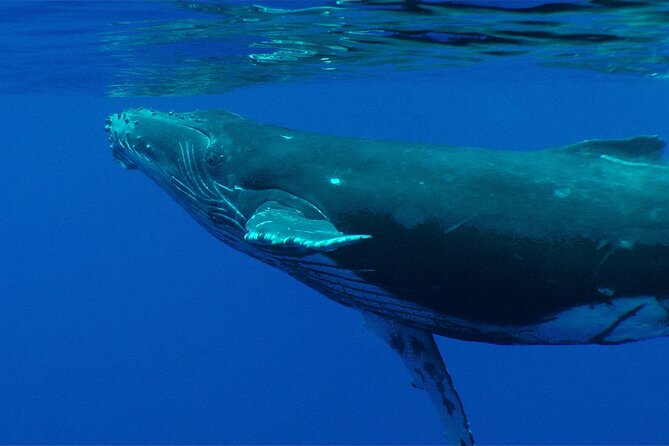
This tour includes a detailed briefing before any water time. That is not just a formality. It is there so you can participate in the snorkeling component with a better understanding of what matters around whales.
The briefing covers whale behavior, lifestyle, and physical traits. The goal is to help you recognize patterns and respond appropriately in the water. When a team takes time to explain what to watch for, it usually leads to calmer interactions, and calmer interactions help protect the animals and keep the experience enjoyable for you.
Then, if conditions allow, you will calmly enter the water. That wording matters. You are not being rushed, and you are not being pushed into poor conditions. In whale watching, the “how” is as important as the “what.”
Snorkeling gear, refreshments, and what “included” really means
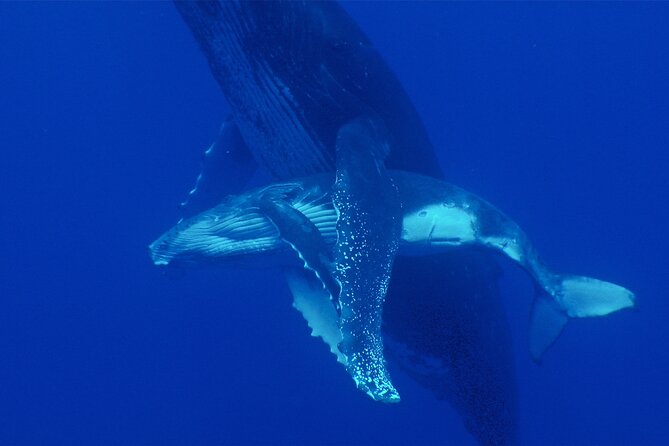
The tour includes snorkeling equipment, snacks, and water. During the outing, the description also notes refreshments and fruits. So for you, this is not a “buy everything on board” situation. You can plan your day around what is provided.
Why this is good value
For a 4-hour experience, the included gear and food items reduce the hassle. It is one less thing to organize or carry. Also, if conditions are right for snorkeling, you are not scrambling to find a last-minute set of equipment.
What is not included
Hotel transfer is not included. The meeting point is near public transportation, so you can likely make it there without a private ride, but you should plan your timing based on that. If you are staying far from the meeting area, factor that travel time into your day.
The whale-watching moment: what sightings can feel like
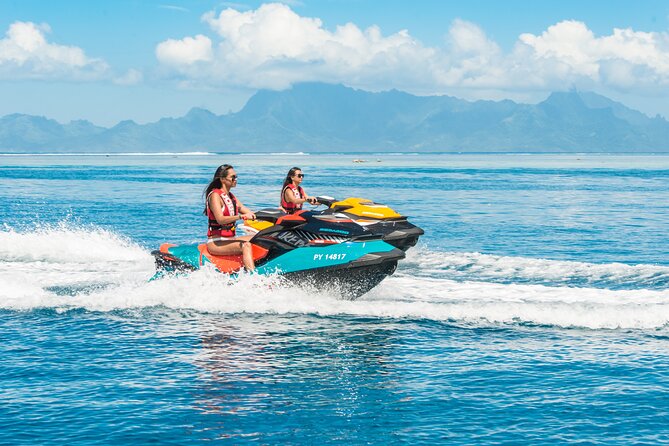
The experience is designed around searching for whales between Toahotu and Teahupoo and heading toward Fenua Aihere. The calm tone of the peninsula is a big part of the payoff because it gives you space to notice what is happening.
The information you receive helps too. You are told what to look for regarding whale behavior and characteristics. That makes the sightings feel more intentional. You are not just watching random movement. You are trying to understand what the animal is doing and why.
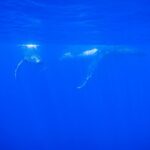
From the feedback shared about the outing, people often come away impressed with the number of whales they see and with the way the team handles the water time. One comment highlights respect for the animal and snorkeling in the water with multiple whale sightings. If you want that, choose this tour for its focus on calm, education, and respectful behavior.
Who this tour fits best (and who should think twice)
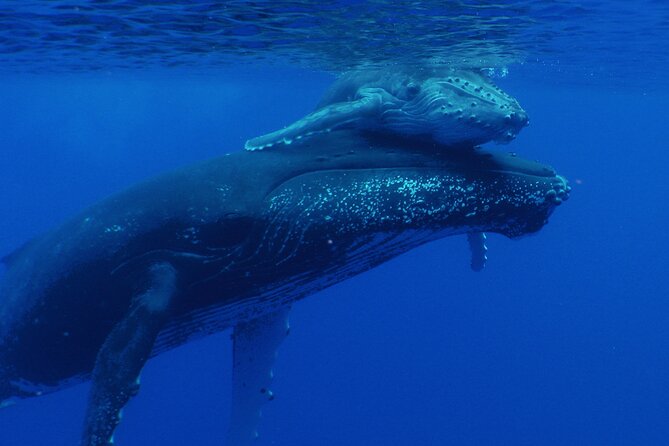
This is a strong fit if you want:
- Whale watching with actual explanation, including behavior and physical traits
- A calmer route in a preserved peninsula zone with fewer boats around
- A combination day where you may snorkel, depending on sea conditions
- A small group setting (maximum 12), which tends to feel more personal
You might want to think twice if:
- Your schedule has zero flexibility, because it depends on good weather
- You need hotel pickup, because none is offered
Also, note that the tour says most travelers can participate. That suggests it is not restricted to only advanced swimmers, but you still need to be comfortable with snorkeling conditions that day. The “if conditions allow” part is key.
Price and logistics: is it worth $193.13 for 4 hours?
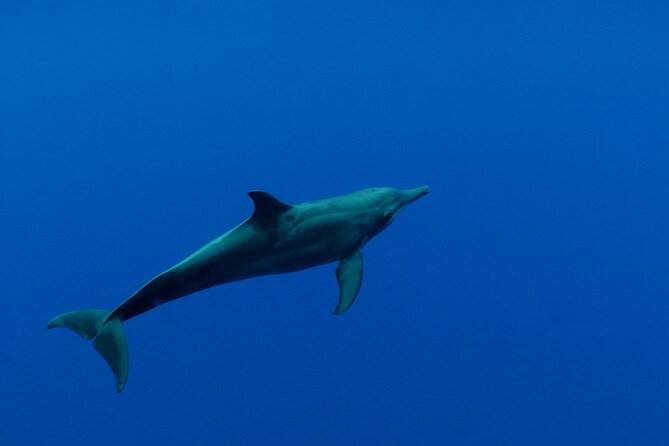
At $193.13 per person, this is not a budget activity, but it also is not “premium luxury for nothing.” The value is in the combination:
- Whale-focused route and search around Toahotu, Teahupoo, and Fenua Aihere
- Snorkeling equipment included
- Snacks, water, and refreshments plus fruits
- Hydrophone whale listening included
- Small group limit of up to 12
If you compare it to generic half-day tours that are mostly travel time and one photo stop, this has more structure. You are not only on a boat. You get a briefing, you have listening equipment, and you may enter the water.
One logistics caution for value: hotel transfer is not included. That means your effective cost may rise if you need a private ride. If you are already close to the start area or can use public transportation, the price feels more justified.
Timing wise, it is typically booked about 15 days in advance. If your dates are fixed, plan ahead. This is one of those activities that can sell out when conditions line up with visitor schedules.
The practical schedule: 4 hours, mobile ticket, and meeting point
You are looking at about 4 hours total. The tour uses a mobile ticket, and you should expect confirmation within 48 hours of booking, subject to availability.
The start location and the finish are the same, back at the meeting point. So plan your day around returning there instead of assuming you will be dropped elsewhere.
Also, it is described as near public transportation. That is good news for you if you want to keep the day simple and avoid extra transfers.
FAQ
FAQ
How long is the whale watching tour with Tātahi Tours?
It is listed as about 4 hours.
Where does the tour start and end?
The tour starts at the Taiʻarapu-Ouest meeting point and ends back at the same meeting point.
How much does the tour cost per person?
The price is $193.13 per person.
Is hotel transfer included?
No. Hotel transfer is not included.
Is snorkeling equipment provided?
Yes. The tour includes use of snorkeling equipment.
What food and drinks are included?
The tour includes snacks and water, and it also mentions refreshments and fruits during the outing.
What is the route during the whale search?
The boat sails between Toahotu and Teahupoo to reach Fenua Aihere, searching for whales along the way.
Is there whale listening equipment on board?
Yes. A hydrophone is present on the boat to listen to whale song.
How many people are in a group?
The tour has a maximum of 12 travelers.
What happens if the weather is poor?
This experience requires good weather. If it is canceled due to poor weather, you will be offered a different date or a full refund.
Should you book this whale watching trip?
If you want a whale watch that feels calmer and more thoughtful than the typical boat crowd, I would book it. The pairing of a preserved-feeling peninsula route, a briefing on whale behavior, snorkeling equipment, and the hydrophone is a rare mix. The small group size helps, too.
Just be honest with your planning: no hotel transfer, and the day depends on good weather. If you can get to the meeting point easily and you have flexibility for sea conditions, this is a strong choice for a Tahiti half-day that focuses on whales, not chaos.
More Trips We Have Run




The Rest of Our Island Reviews



The Peninsula and the Wave



Other French Polynesia trips in our review pile
- Papeete Market Place
★ 3.0 · 3 reviews - Whale watching DE Humpback West Coast of Tahiti
★ 5.0 · 3 reviews - Private Transfer Papeete Urban Area to Tahiti Airport PPT by Van
★ 5.0 · 3 reviews - Tahiti: Private Half Day Culture and Nature Highlights Tour
★ 5.0 · 3 reviews - Wholesale Fishing in Poti Marara at Tahiti Teahupoo Peninsula
★ 5.0 · 4 reviews - Private Half Day Sailing Excursion on the Lagoon of Tahiti
★ 5.0 · 4 reviews
Teahupo'o & the Tahiti Peninsula, compared.
 ★ 5.0Unique Tahiti tour to Teahupoo, small group, full day combo tourFrom $261155 reviews
 ★ 4.5Teahupoo Wave WatchingFrom $13344 reviews
 ★ 5.0Whale watching on the preserved and quiet coast of Paea (Pk26)From $20540 reviews
 ★ 4.6Tahiti: Unique Full Day West Coast, Combo Tour to TeahupooFrom $25940 reviews
 ★ 5.0Half day Tahiti Peninsula and Teahupoo boat tour (shared boat)From $25538 reviews
 ★ 5.0Tahiti: Full Day Tour with Taxi Boat (Teahupoo. OJ 2024)From $1,20014 reviews
 ★ 5.02-hour Jet Ski outing in Puna’auiaFrom $32913 reviews
 ★ 4.5Taxi Boat to Watch the Teahupoo International Surfing CompetitionFrom $15113 reviews
Browse the lists this tour appears in